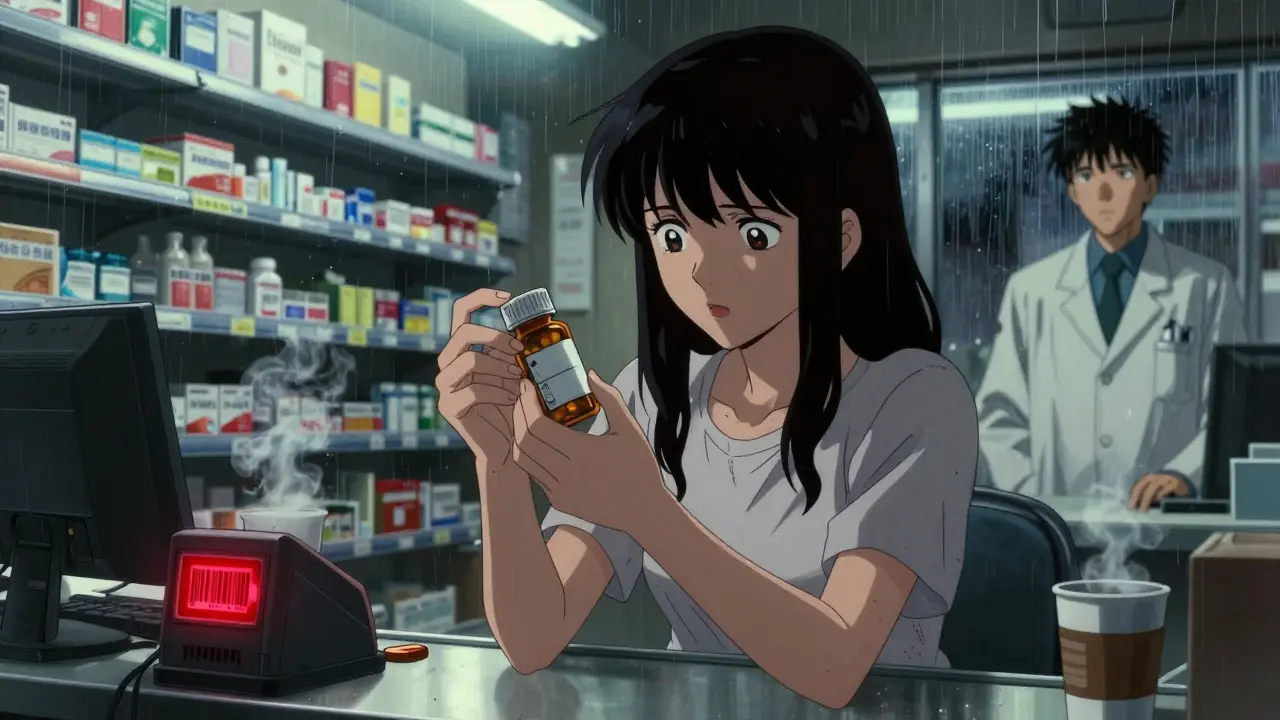
It happens more often than you think. You pick up your prescription, check the label, and notice the pill color is wrong. Or the dosage is double what your doctor wrote. Maybe the name on the bottle isn’t even yours. You feel a cold rush of fear. You’re not alone. Pharmacy errors happen in every state, every week, and most people never report them. But reporting isn’t just about getting your money back-it’s about stopping someone else from getting hurt.
What Counts as a Pharmacy Error?
A pharmacy error isn’t just a mix-up with the pill color. It’s any mistake in the dispensing process that could harm you. That includes:- Wrong medication given (like getting blood pressure pills instead of antibiotics)
- Wrong dose (50mg instead of 5mg)
- Wrong patient (your name on someone else’s prescription)
- Missing or incorrect instructions (no warning about alcohol, no refill info)
- Expired or damaged medication
- Drug interactions not caught (like mixing blood thinners with ibuprofen)
Some errors are obvious. Others? You won’t know until you feel sick. That’s why it’s critical to always double-check your prescription when you pick it up. Ask: "Is this what my doctor ordered?" and "What’s this for?" If something feels off, trust your gut.
Why Reporting Matters (Even If You’re Fine)
You might think, "I caught it before I took it. No harm done." But that’s exactly why you should report it.Most pharmacy errors aren’t caused by lazy staff. They’re caused by systems that are too busy, too broken, or too outdated. A pharmacist might be juggling 120 prescriptions an hour. A barcode scanner might be malfunctioning. A computer might have swapped two similar-sounding drugs. Reporting the error doesn’t punish the pharmacist-it helps fix the system.
According to the Institute for Safe Medication Practices, only 14% of serious medication errors ever get reported. That means 86% vanish into thin air, leaving the same flaws in place. One report can lead to a new double-check policy, a better labeling system, or staff training. In 2023, a report to ISMP MERP led a Walmart pharmacy to fix a recurring insulin dosage error that had already affected three other patients. That’s the power of reporting.
How to Report a Pharmacy Error in New Zealand and the U.S.
You’re in Christchurch, New Zealand-but you might be dealing with a U.S. pharmacy, or you might have gotten medication from overseas. Here’s how to report depending on where it happened.If the Error Happened in New Zealand
In New Zealand, report medication errors to the Medicines Adverse Reactions Committee (MARC) through the Medicines Safety Unit at the Ministry of Health. You can submit a report online at health.govt.nz/medicines-safety or call 0800 633 777. Include:- Your name and contact info (optional but helpful)
- Name of the pharmacy
- Name of the medication and what was supposed to be dispensed
- What went wrong (dose, label, drug, etc.)
- Any symptoms or harm you experienced
They don’t investigate individual cases for blame-they look for patterns. If three people report the same error at the same pharmacy, they’ll step in.
If the Error Happened in the United States
You have three main options:- Report to the State Board of Pharmacy (like California’s Board or New York’s Department of Health). This is your best bet for formal action. They can investigate, fine the pharmacy, or suspend licenses. Find your state’s board online-search "[Your State] Board of Pharmacy complaint form."
- Report to the FDA’s MedWatch (for serious errors). Use their online portal or call 1-800-FDA-1088. This feeds into a national database used to spot dangerous trends. You don’t need a doctor’s note.
- Report to ISMP MERP (Institute for Safe Medication Practices). This is the most detailed, most effective option for preventing future errors. Their team calls you back to understand exactly what happened. Submit online or call 1-800-233-7767. They keep your info confidential.
Don’t waste time calling the pharmacy and hoping they’ll "fix it." They might apologize, but they won’t change anything unless someone outside forces them to.
What You Need to Report (Documents and Details)
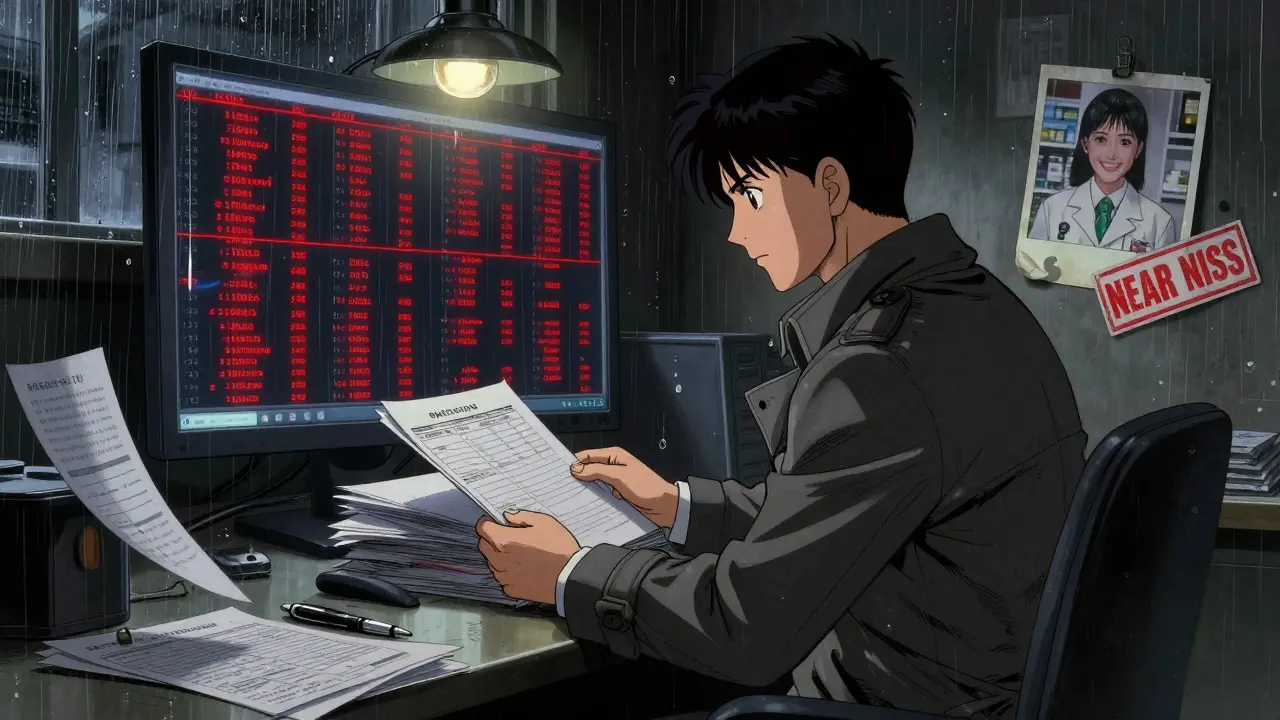
The more detail you give, the more likely they’ll act. Gather these before you report:- The original prescription (photo or copy)
- The pill bottle or packaging (keep it-even if empty)
- Receipt or invoice from the pharmacy
- Notes on what you were told (e.g., "Pharmacist said take 2 pills twice a day")
- Any symptoms you had after taking it
- Names of staff you spoke to (if you remember them)
California’s Board of Pharmacy says complaints with physical evidence are 3.7 times more likely to result in action. Even a photo of the wrong label helps. Don’t throw anything away.
What Happens After You Report
You might expect a phone call, an apology, or a refund. But here’s what really happens:- State Board of Pharmacy: They’ll send a letter to the pharmacy. The pharmacy has 30 days to respond. If they admit fault, the Board might require retraining, fines, or public warnings. In 2021, California’s Board took disciplinary action in 217 out of 1,842 complaints.
- ISMP MERP: You’ll get a call within 2-5 days. They ask questions like: "Was the pharmacy busy? Was the computer down? Was there a new hire?" They don’t name names-they fix systems. Their 2023 report showed 89% of reported errors led to changes in pharmacy procedures.
- FDA MedWatch: Your report goes into a database of over 24 million entries. They don’t contact you. But if 10 other people report the same error, the FDA might issue a safety alert, recall the drug, or require new warnings.
Don’t expect instant results. The average resolution time for a state complaint is 89 days in California, up to 6 months elsewhere. That’s why patience and persistence matter.
What Won’t Happen (And What to Watch Out For)
Many people don’t report because they think:- "They’ll fire the pharmacist." → Unlikely. Most systems protect staff from blame. The goal is to fix the process, not punish the person.
- "I’ll get in trouble." → You won’t. Reporting is protected by law. In the U.S., the Patient Safety and Quality Improvement Act shields reporters from retaliation.
- "It won’t make a difference." → False. A single report can prevent dozens of future errors. One ISMP report in 2023 led to a nationwide change in how insulin pens are labeled.
- "The pharmacy will refuse to serve me." → Rare. But if they do, report it. That’s illegal retaliation.
Also, don’t fall for the "We’re sorry, it won’t happen again" line. Ask: "What are you changing to make sure it doesn’t happen to someone else?" If they can’t answer, you know they’re not serious.
What to Do If You’re Still Worried About Retaliation
You’re allowed to report anonymously. ISMP MERP and the FDA let you submit without your name. But here’s the catch: if you want them to follow up, you need to give contact info. You can ask them to keep your name private.If you’re scared of the pharmacy finding out:
- Report to the FDA or ISMP-they don’t share your identity with the pharmacy.
- Don’t mention the pharmacy by name if you’re uncomfortable. Just describe the location, the drug, and the error.
- Use a burner email or phone number if you’re worried.
Retaliation from a pharmacy is illegal under U.S. law. If you’re threatened, cut ties. Go to another pharmacy-and report the threat to your state board.
What You Can Do Right Now
You don’t need to wait for a major error to act. Here’s what to do today:- Check your next prescription. Compare the pill to the description on the label.
- Ask the pharmacist: "Is this the same as last time?"
- Keep your pill bottles until you finish the course.
- Save your receipts.
- Bookmark your state’s pharmacy board website.
- Save the ISMP phone number: 1-800-233-7767.
Medication safety isn’t just about doctors and pharmacists. It’s about you. You’re the last line of defense. If you spot something wrong, speak up. Not because you owe it to the system-but because someone else might be counting on you to stop the next mistake.
What should I do if I took the wrong medication?
If you’ve taken the wrong medication, call your doctor or poison control immediately. In New Zealand, call Poison Control at 0800 764 766. In the U.S., call 1-800-222-1222. Don’t wait for symptoms. Even if you feel fine, some errors cause delayed harm. Then, report the error to your state pharmacy board or ISMP.
Can I report a pharmacy error if I didn’t suffer any harm?
Yes, absolutely. In fact, you should. Many serious errors are caught before they cause harm-these are called "near misses." Reporting them helps prevent future accidents. ISMP says near-miss reports are just as valuable as harm reports because they reveal system flaws before someone gets hurt.
How long do I have to report a pharmacy error?
In New Zealand, there’s no strict deadline, but report as soon as possible. In California, you have up to 12 months to file a complaint with the Board of Pharmacy. The FDA and ISMP accept reports anytime, even years later. The sooner you report, the more likely they can trace the error and fix it before it happens again.
Will reporting get the pharmacy in trouble?
Not necessarily. Most reports lead to training, new procedures, or better technology-not fines or closures. The goal is to improve safety, not punish individuals. Pharmacies that receive complaints often thank the reporter because it helps them avoid future mistakes.
Can I report an error from an online pharmacy?
Yes. If the online pharmacy is based in the U.S., report to the FDA’s MedWatch or ISMP. If it’s based overseas, report to your local health authority (like the Ministry of Health in New Zealand). Include the pharmacy’s website, order number, and product details. Online pharmacies are not exempt from safety rules-even if they’re based in another country.
What if the pharmacy refuses to give me a copy of my prescription?
In New Zealand and the U.S., you have a legal right to your prescription records. If they refuse, file a complaint with your pharmacy board. In the U.S., HIPAA gives you the right to access your medical records, including prescriptions. In New Zealand, the Health Information Privacy Code applies. Demand a copy in writing. If they still refuse, escalate.
15 Comments
Ryan Hutchison January 15 2026
Let me tell you something straight - if you’re in the US and you don’t report a pharmacy error to the FDA or ISMP, you’re part of the problem. We’ve got the systems, we’ve got the tools, and yet people just shrug and walk away. That’s not just negligence, that’s American laziness. I’ve seen pharmacies get shut down over less. Don’t be the guy who lets someone else die because you were too lazy to hit submit on a form.
Samyak Shertok January 15 2026
Ah yes, the great American ritual of reporting - where we turn a near-miss into a bureaucratic opera while India still uses handwritten scripts and somehow doesn’t kill people. The irony? You’re so busy filing forms you forget to ask: why does a pharmacy need 120 prescriptions an hour? Capitalism didn’t build a better pill. It built a faster conveyor belt to hell.
Henry Ip January 16 2026
Just wanted to say thank you for this. I caught a wrong dose last year - 50mg instead of 5mg. I reported it to ISMP. They called me back within 48 hours. Turned out the same error happened at 3 other stores in my state. They changed the barcode system. You’re not just helping yourself. You’re helping everyone.
waneta rozwan January 17 2026
People still don’t get it. You think the pharmacist is the villain? No. The villain is the corporate chain that cuts staff to maximize quarterly profits. The villain is the CEO who won’t spend $20k on a better scanner. You report the error? Good. But don’t stop there. Boycott the chain. Write to their board. Make them feel the heat. Silence is complicity.
john Mccoskey January 18 2026
Let’s analyze the data. The Institute for Safe Medication Practices claims 89% of reports lead to procedural changes. But what’s the baseline? How many of those changes are superficial? How many pharmacies implement a checklist and then revert to old habits after the audit? The 14% reporting rate is misleading - it’s not that people don’t care, it’s that they’ve learned reporting is performative. The system rewards optics, not outcomes. Until we tie pharmacy licensing to error reduction metrics, not just complaint volume, we’re just rearranging deck chairs on the Titanic.
evelyn wellding January 19 2026
Y’all need to do this. I did it last month and it felt like I did something real for once 🙌 I kept the bottle, took a pic, sent it to ISMP. They called me like a week later. Felt like a superhero. You’re not just protecting yourself - you’re protecting grandma down the street. Do it. It’s easy. Just do it.
Chelsea Harton January 21 2026
keep the bottle. save the receipt. dont trust them. report. thats it.
Corey Chrisinger January 22 2026
It’s funny how we treat medication like it’s just another product. You’d never buy a car with a broken brake light and not say anything. But we’ll swallow a pill that’s labeled wrong and think "eh, probably fine." We’ve normalized risk because we’re tired. But safety isn’t a luxury. It’s the minimum. And if we don’t demand it, who will?
Bianca Leonhardt January 23 2026
Anyone who doesn’t report a pharmacy error is either naive or selfish. You think you’re being "easy" by not making a fuss? You’re just making it easier for the next person to die. And when it happens, you’ll be the one saying "I had no idea" - while your neighbor’s kid is in the ICU because someone didn’t want to bother.
Travis Craw January 23 2026
i just wanted to say i did this last year after my mom got the wrong med. i was scared to report, but i did it anyway. they never said thank you, but i know i helped. dont be afraid. its worth it. even if no one sees it.
Christina Bilotti January 24 2026
Of course you should report - unless you’re the type of person who thinks "systemic change" is a buzzword used by people who can’t spell "accountability." If you’re still reading this and haven’t reported, you’re not a victim. You’re a bystander. And bystanders get remembered in obituaries.
brooke wright January 25 2026
wait so if i report, do they actually fix it or just pretend? i reported a bad interaction last year and they just gave me a coupon for free ibuprofen. is that it? am i supposed to be grateful?
vivek kumar January 27 2026
Interesting how the US system relies on individual vigilance. In India, we have no such infrastructure - yet errors are rarer. Why? Because we trust our pharmacists more. Or perhaps because we don’t have 120 prescriptions per hour. Maybe the problem isn’t the person - it’s the pace. You can’t humanize medicine when you’re running on corporate adrenaline.
Nick Cole January 28 2026
I’ve worked in pharmacy. I’ve seen the pressure. The scanners fail. The new hires panic. The manager is screaming for the next bottle. But I’ve also seen pharmacists stay late to fix a mistake they didn’t cause. Reporting isn’t about blame. It’s about giving them the tools to do better. Don’t vilify. Advocate.
Riya Katyal January 28 2026
so you’re telling me i have to report a pharmacy error… but i’m not allowed to say the pharmacy’s name if i’m scared? so what, i just describe it as "that one near the gas station with the broken sign"? lol. this system is designed to make you feel guilty for being scared.