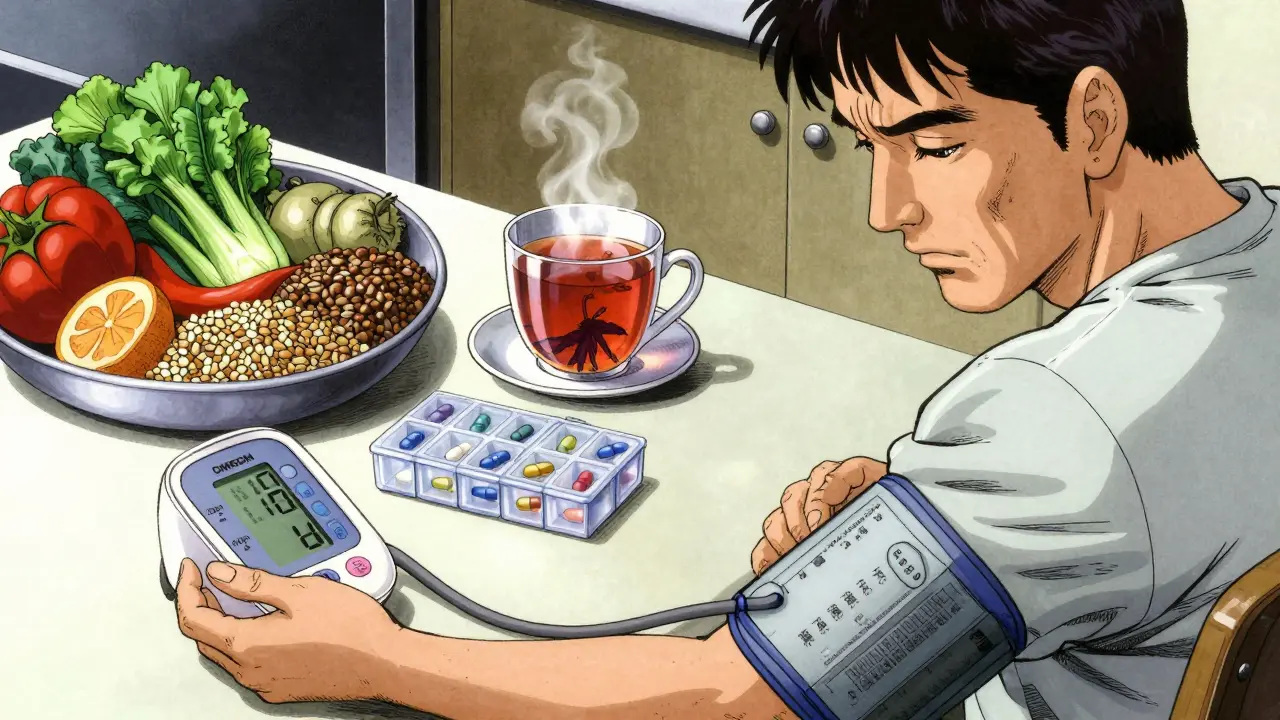
High blood pressure doesn’t announce itself with symptoms. It creeps in silently, quietly raising your risk of stroke, heart attack, and kidney damage. By 2025, nearly one in three adults worldwide is living with hypertension - and many are trying to manage it without relying solely on pills. The truth? You don’t have to choose between natural strategies and medication. The most effective approach combines both - carefully, safely, and with clear goals.
What Hypertension Really Means
Hypertension isn’t just a number on a machine. It’s defined as consistent readings above 130/80 mm Hg, according to current U.S. and global guidelines. That’s not a minor fluctuation - it’s a signal your heart and arteries are working harder than they should. Over time, this extra strain damages blood vessels, increases inflammation, and raises your chances of serious complications.
What’s often missed is that hypertension isn’t one condition. It’s a spectrum. Someone with a reading of 132/82 and no other health issues is in a different category than someone with 150/95, diabetes, and a history of heart disease. The treatment plan should match the risk - not just the number.
How Medications Work - And When They’re Necessary
First-line medications like ACE inhibitors, ARBs, calcium channel blockers, and diuretics have been proven over decades to lower blood pressure by 15-20 mm Hg systolic on average. That’s not small. For someone with stage 2 hypertension (140/90 or higher), these drugs can mean the difference between staying healthy and facing a cardiac event.
Medications work fast - often within 2 to 4 weeks. But they come with trade-offs. Side effects like dizziness, fatigue, dry cough, or leg swelling are common. In 2022 alone, over 1,200 serious adverse events linked to antihypertensive drugs were reported to the NIH. That doesn’t mean they’re dangerous - it means they need to be used with awareness.
Here’s the key: If your blood pressure is consistently above 140/90, or you have other risk factors like obesity, smoking, or kidney disease, medication isn’t optional. It’s protective. Skipping it because you want to go “natural” is risky.
The Natural Strategies That Actually Work
Natural doesn’t mean ineffective. It means non-pharmaceutical - and several have strong clinical backing.
The DASH diet is the gold standard. Developed by the National Heart, Lung, and Blood Institute in 1997, it’s not a fad. It’s a full eating plan: plenty of vegetables, fruits, whole grains, lean proteins, and low-fat dairy. It limits saturated fat, sugar, and salt. When followed strictly for 30 days, it drops systolic pressure by 8-14 mm Hg. That’s as good as many single medications.
Sodium reduction is equally powerful. The average person eats 3,400 mg of sodium daily. Cutting that to 1,500 mg - the ideal target - can lower systolic pressure by 5-6 mm Hg. That’s like adding a free, daily dose of medicine. Start by ditching processed snacks, canned soups, and restaurant meals. Cook more at home. Read labels. Even small changes add up.
Coenzyme Q10 (CoQ10) is one of the most studied natural supplements. At doses of 100-225 mg daily, it lowers systolic pressure by 11-17 mm Hg in clinical trials. It’s especially helpful for people on statins, since statins deplete natural CoQ10 levels. It takes 4-8 weeks to see results, and it’s best taken with a fatty meal for absorption.
Garlic supplements, particularly aged garlic extract (600-1,200 mg daily), reduce systolic pressure by 7-10 mm Hg. A 2020 meta-analysis confirmed this effect in stage 1 hypertension. But here’s the catch: raw garlic or garlic pills can interact with blood thinners like warfarin. Talk to your doctor before starting.
Hibiscus tea is a quiet hero. Drinking 3-4 cups daily of hibiscus sabdariffa tea lowers systolic pressure by about 7.2 mm Hg in 6 weeks. It’s safe, tasty, and backed by a randomized controlled trial in the Journal of Nutrition. Many users on Reddit report noticeable drops - one wrote, “From 148 to 135 in six weeks.”
Magnesium at 368 mg daily shows a modest but real drop of 2 mm Hg systolic and 1.8 mm Hg diastolic. Magnesium glycinate is the best-absorbed form and also helps with muscle cramps and sleep. Don’t expect miracles, but if you’re deficient - and many are - this is a smart addition.

Exercise, Weight Loss, and Mindfulness
Exercise isn’t just good for your heart - it’s a direct blood pressure reducer. Just 150 minutes a week of brisk walking, cycling, or swimming can drop systolic pressure by 5-8 mm Hg. You don’t need to run a marathon. Just move consistently.
Weight loss is even more powerful. Lose 5-10% of your body weight, and you can knock 5-20 mm Hg off your systolic number. That’s not magic - it’s physics. Less body mass means less resistance in your blood vessels. Each kilogram lost equals about 1 mm Hg drop.
Mind-body practices like transcendental meditation also work. Doing 20 minutes twice daily can reduce systolic pressure by 4.7-5.5 mm Hg. It’s not about relaxation alone - it’s about calming the nervous system that drives high blood pressure. Studies show this works even when people aren’t meditating perfectly.
What Doesn’t Work - And What’s Dangerous
Not every “natural” remedy is safe. Some actually raise blood pressure.
St. John’s wort, ephedra, yohimbine, and licorice root have all been shown to spike blood pressure in 68-82% of users, according to the Natural Medicines Database. Licorice can also cause dangerous potassium loss, especially when combined with diuretics. Hawthorn berry may seem harmless, but it can over-amplify beta-blockers, leading to dangerously low pressure.
Supplements aren’t regulated like drugs. A 2022 FDA review found 15 companies making false claims about blood pressure supplements. One product labeled “natural blood pressure cure” was found to contain hidden prescription ingredients. Always choose third-party tested brands (USP, NSF, or ConsumerLab certified).
And never stop your medication without talking to your doctor. A 2023 study showed patients who replaced pills with supplements alone had double the risk of stroke compared to those who combined both approaches.
How to Combine Them Safely
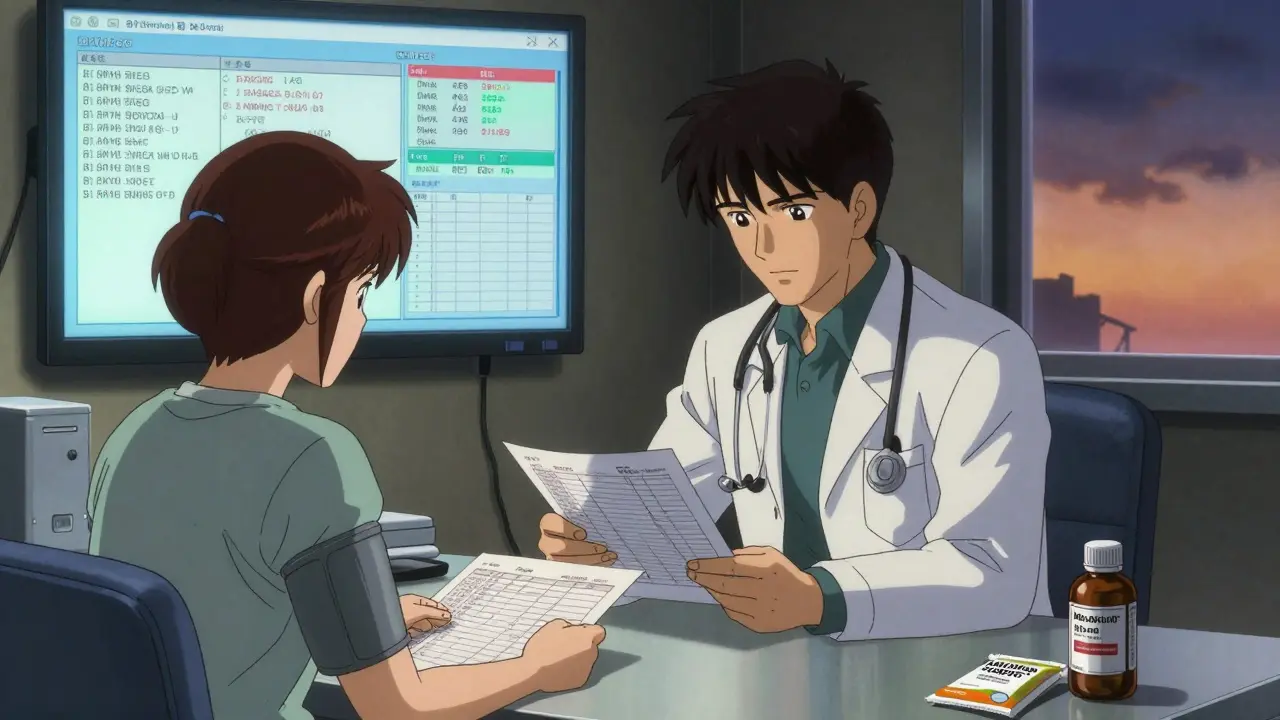
The smartest path isn’t natural OR medication. It’s natural AND medication - with monitoring.
Start with lifestyle: DASH diet, sodium cut, daily movement, and weight loss. These are foundational. Then, add one supplement at a time - like CoQ10 or hibiscus tea - and track your blood pressure at home for 4-6 weeks. Use a validated monitor (Omrón or Welch Allyn). Record your readings.
Let your doctor know about every supplement you take. Many patients don’t disclose them - but 42% of supplement users have dangerous interactions with their meds, according to the National Center for Complementary and Integrative Health. Garlic + lisinopril? Possible dizziness. Magnesium + diuretics? Risk of low potassium. These aren’t theoretical risks. They’re documented.
For people with stage 1 hypertension (130-139/80-89) and low cardiovascular risk, a 3-6 month trial of intensive lifestyle changes - with close monitoring - might delay or even avoid medication. But if your pressure doesn’t budge, or if it climbs, start the meds. There’s no shame in that.
What’s Changing in 2025
The American Medical Association’s 2024 guidelines now officially recognize seven natural interventions as complementary to medication: DASH diet, sodium restriction, potassium and magnesium supplements, CoQ10, garlic, and transcendental meditation. That’s a big shift - from skepticism to acceptance.
Insurance is catching up, too. Medicare Advantage plans now cover digital programs that coach people on diet and exercise for hypertension. That’s a win for long-term management.
Research is moving toward personalization. Scientists are now studying genetic markers that predict who responds best to hibiscus tea or CoQ10. In the near future, your blood pressure plan might be tailored to your DNA.
Realistic Expectations
Natural strategies aren’t quick fixes. They take time - weeks, not days. They require consistency. You won’t see a 20-point drop from hibiscus tea alone. But you might see a steady 8-point drop over two months - and that’s enough to lower your stroke risk significantly.
Medications work faster and harder. But they’re not perfect. The goal isn’t to replace them. It’s to reduce their burden - so you can take lower doses, experience fewer side effects, and feel more in control.
The best outcome? A blood pressure under 130/80 - achieved without constant dizziness, fatigue, or fear. That’s possible. Not with magic. But with smart, science-backed choices - and the courage to stick with them.
Can I stop my blood pressure medication if I start natural remedies?
No. Stopping prescribed medication without medical supervision can lead to dangerous spikes in blood pressure, increasing your risk of stroke or heart attack. Natural strategies like diet, exercise, and supplements can support your treatment - but they should not replace medication unless your doctor confirms your blood pressure is stable and low-risk enough to taper off safely.
How long does it take for natural remedies to lower blood pressure?
Most natural approaches take 4 to 8 weeks to show measurable results. The DASH diet may show changes in as little as 14 days, while supplements like CoQ10 or garlic need 6 weeks or more. This is slower than medication, which often works in 2-4 weeks. Patience and consistency are key.
Which supplements have the strongest evidence for lowering blood pressure?
The top three backed by clinical studies are: Coenzyme Q10 (11-17 mm Hg systolic reduction), aged garlic extract (7-10 mm Hg), and hibiscus tea (7.2 mm Hg). Magnesium and potassium also show modest but consistent benefits. Always choose high-quality, third-party tested brands.
Can I drink hibiscus tea while on blood pressure meds?
Yes - but talk to your doctor first. Hibiscus tea can enhance the effect of blood pressure medications, potentially causing your pressure to drop too low. Monitor your readings closely, especially in the first two weeks. If you feel dizzy or lightheaded, reduce your tea intake and consult your provider.
Is the DASH diet hard to follow?
It’s easier than you think. Start by adding one extra serving of vegetables and one serving of fruit per day. Swap white bread for whole grain. Choose unsalted nuts over chips. Use herbs instead of salt. You don’t need to overhaul your whole diet overnight. Small, steady changes lead to lasting results - and a 14-point drop in systolic pressure over time.
What’s the biggest mistake people make with natural hypertension remedies?
The biggest mistake is assuming natural equals safe - and ignoring interactions. Garlic can thin your blood if you’re on warfarin. Licorice can wreck your potassium levels if you’re on diuretics. And some supplements contain hidden drugs. Always tell your doctor what you’re taking - even if it’s just tea or a vitamin.
Managing hypertension isn’t about perfection. It’s about progress. One meal at a time. One walk at a time. One pill, one supplement, one conversation with your doctor at a time. The goal isn’t to be flawless - it’s to be safer. And that’s something you can build, day by day.
11 Comments
Caitlin Foster December 28 2025
OMG YES-this is the most balanced, non-sensational take on hypertension I’ve ever read!!!
Finally someone who gets that ‘natural’ doesn’t mean ‘magic fairy dust’ and meds aren’t evil!
I’ve been on lisinopril for 3 years, started hibiscus tea + DASH, and my BP dropped from 152/96 to 124/80-without ditching my pill!
Also, CoQ10? YES. My statin-induced fatigue vanished. Thank you for writing this.
Kylie Robson December 28 2025
While the DASH diet and sodium restriction are indeed evidence-based, the clinical efficacy of CoQ10 remains marginal in meta-analyses with high heterogeneity (I² >70%). The 11–17 mmHg reduction cited is drawn from underpowered RCTs with short follow-up periods (<12 weeks), and publication bias is likely.
Moreover, the FDA’s 2022 supplement review found that 37% of ‘blood pressure support’ products contained unlisted pharmaceuticals-yet the post implicitly endorses supplement use without emphasizing regulatory risk sufficiently.
Also, hibiscus tea’s effect size is statistically significant but clinically trivial in isolation-especially compared to the 15–20 mmHg reduction from ACE inhibitors. We must avoid therapeutic misalignment by overvaluing adjunctive modalities.
Todd Scott December 28 2025
As someone who’s managed stage 1 hypertension for 8 years through diet, movement, and mindfulness-without meds-I can say this post nails it.
But let’s not forget the cultural context: in many communities, especially rural and low-income areas, access to fresh produce, safe walking spaces, or even a blood pressure monitor is a luxury.
And while the science on garlic and CoQ10 is solid, the real barrier isn’t knowledge-it’s equity.
Insurance covering digital coaching? That’s huge. But we need community health workers, subsidized produce programs, and culturally tailored nutrition education-not just individual responsibility.
Also, transcendental meditation works, but so does chanting in your native language, walking with your grandma, or sitting in silence with your kids after dinner. Healing isn’t always clinical. Sometimes it’s just human.
James Bowers December 29 2025
This article exhibits a dangerously lax attitude toward pharmaceutical adherence. The suggestion that one may ‘delay or even avoid medication’ for stage 1 hypertension, absent rigorous ambulatory monitoring and cardiovascular risk stratification, constitutes a public health hazard.
Furthermore, the uncritical endorsement of herbal supplements-many of which lack standardized dosing and pharmacokinetic profiles-demonstrates a profound misunderstanding of pharmacovigilance.
One cannot invoke ‘science-backed’ claims for hibiscus tea while simultaneously dismissing the regulatory rigor applied to FDA-approved antihypertensives.
Such equivocation erodes medical authority and invites catastrophic outcomes.
Patients must be told: if your BP exceeds 130/80 with comorbidities, medication is not optional-it is non-negotiable.
Olivia Goolsby December 30 2025
Let’s be real-this whole ‘natural AND meds’ narrative is a Big Pharma psyop.
They know if you think supplements ‘help,’ you’ll keep taking your pills and never question why you need them in the first place.
CoQ10? It’s just a placebo with a fancy name.
Hibiscus tea? The same stuff they use in African traditional medicine to ‘cleanse the blood’-but now it’s ‘science’ because it’s trendy.
And don’t get me started on the DASH diet-designed by NIH, funded by dairy and grain lobbies.
Real solution? Stop eating processed food, get off your butt, and stop trusting corporations that profit from your sickness.
They don’t want you cured-they want you compliant.
And they’re using ‘evidence’ to make you think you’re in control when you’re just another revenue stream.
Monika Naumann December 31 2025
It is both admirable and deeply concerning that Western medicine now seeks to validate ancient Indian remedies such as hibiscus tea and garlic, while ignoring the holistic systems that have managed hypertension for millennia.
In Ayurveda, hypertension is not merely a vascular condition-it is a manifestation of Vata imbalance, often exacerbated by stress, poor digestion, and emotional suppression.
Pranayama, abhyanga (oil massage), and Triphala are far more comprehensive than isolated supplements.
Why is it only now, after billions in pharmaceutical research, that Western science 'discovers' what our grandmothers knew?
Let us not mistake appropriation for advancement.
Elizabeth Ganak January 1 2026
Hi! I just started DASH and hibiscus tea last week and my BP is already down 5 points (from 142/92 to 137/87).
Also, I swapped my salt for potassium chloride and I’m not dying lol.
Thanks for the tips-I’m feeling way more in control already.
Also, anyone else notice how much better you sleep when you cut sugar? 🙌
Nicola George January 2 2026
Wow, someone finally said it: natural doesn’t mean safe.
I had a friend take licorice root ‘for stress’ and ended up in the ER with hypokalemia and a BP of 190/110.
And yeah, garlic + warfarin? Bad idea.
People think ‘herbal’ = ‘harmless’ like it’s some kind of yoga retreat.
It’s not. It’s chemistry. And chemistry doesn’t care if you call it ‘ancient wisdom.’
Just… talk to your doctor. Please.
And stop buying supplements from Instagram influencers.
Raushan Richardson January 3 2026
My dad was diagnosed with hypertension at 58 and refused meds-he did the DASH diet, walked 10k steps a day, and drank hibiscus tea.
After 6 months, his BP was 128/82.
He still takes a low-dose diuretic, but now he says it’s just ‘insurance.’
He’s 65 and runs 5Ks.
It’s not either/or. It’s both. And it’s not about being perfect-it’s about showing up.
Also, CoQ10 fixed his muscle cramps. Who knew?
Robyn Hays January 4 2026
I love how this post doesn’t villainize meds or glorify supplements-it just says: here’s what works, here’s what’s risky, here’s how to do it smart.
One thing I’d add: tracking your BP at home isn’t just useful-it’s empowering.
I started with a $30 Omron and a notebook. Now I have 6 months of data that helped my doctor reduce my dose.
And I didn’t need to be a scientist. Just consistent.
Also-hibiscus tea is delicious. I make it cold with lemon and mint. It’s my new favorite ritual.
It’s not about curing. It’s about caring.
And that’s the real medicine.
Chris Garcia January 5 2026
In Nigeria, hypertension is often called ‘the silent killer’-but we also call it ‘the white man’s disease’ because of its association with Western diets and stress.
Yet, in our villages, elders manage blood pressure with bitter leaf tea, moringa, and daily walking to market-no pills, no monitors.
They don’t measure BP in mmHg; they measure it in breath, in energy, in the ability to carry a bucket of water without stopping.
Modern medicine has given us precision, but lost some of the poetry of healing.
Perhaps the future isn’t in DNA-tailored regimens-but in integrating the wisdom of the grandmother with the science of the lab.
Let us not discard tradition in our rush to innovate.
Let us honor both.
Because sometimes, the most effective remedy is not a pill or a tea-but the quiet presence of someone who cares enough to sit with you while you breathe.