
Are you taking multiple prescriptions for conditions like diabetes, high blood pressure, or asthma? If so, you might be missing out on a free service designed specifically to keep you safe and save you money. It’s called Medication Therapy Management, also known as MTM. This isn’t just another billable visit; it is a comprehensive review of every pill, supplement, and over-the-counter drug you take.
Many patients assume their doctor knows exactly what they are taking, but that’s rarely the case when you have specialists in different fields. MTM bridges that gap. It empowers you to understand your medications, prevents dangerous interactions, and often identifies cheaper alternatives that work just as well. Here is everything you need to know about how this service works, who qualifies, and how to get the most out of it.
What Is Medication Therapy Management?
Medication Therapy Management (MTM) is a distinct patient-centered service that optimizes therapeutic outcomes by identifying, preventing, and resolving drug-related problems. Think of it as an annual tune-up for your health regimen, conducted by a medication expert-usually a pharmacist.
The core goal is simple: make sure you are getting the maximum benefit from your medicines while minimizing risks. Unlike a standard pharmacy drop-off where you pick up a bag and leave, MTM involves a detailed conversation. The provider looks at the big picture. They check if Drug A interacts badly with Drug B, if you are paying more than necessary for generic versions, or if a side effect you’ve been ignoring could be fixed by adjusting a dose.
This service was formally established under the Medicare Modernization Act of 2003 and has since become a required component of all Medicare Part D prescription drug plans. It is independent of dispensing medication, meaning it focuses purely on your health outcomes rather than selling products.
Who Qualifies for MTM Services?
You don’t need to ask your doctor for a referral. Eligibility is determined automatically by your Medicare Part D plan based on specific criteria. As of recent guidelines, you likely qualify if you meet all three of these conditions:
- Multiple Chronic Conditions: You have two or more chronic diseases such as diabetes, hypertension, heart failure, chronic obstructive pulmonary disease (COPD), or mental health disorders.
- Multiple Medications: You are taking eight or more covered Part D maintenance medications. These are drugs taken daily or regularly for long-term conditions, not occasional antibiotics.
- High Annual Cost: Your expected annual cost for covered Part D drugs exceeds a set threshold. In 2023, this amount was $4,430, though this figure adjusts annually for inflation.
If your plan flags you as eligible, they are required to invite you to participate. Some plans may offer MTM to a broader group, even if you don’t meet the strict federal criteria, so it never hurts to check with your insurer.
The Core Components: What Happens During an MTM Visit?
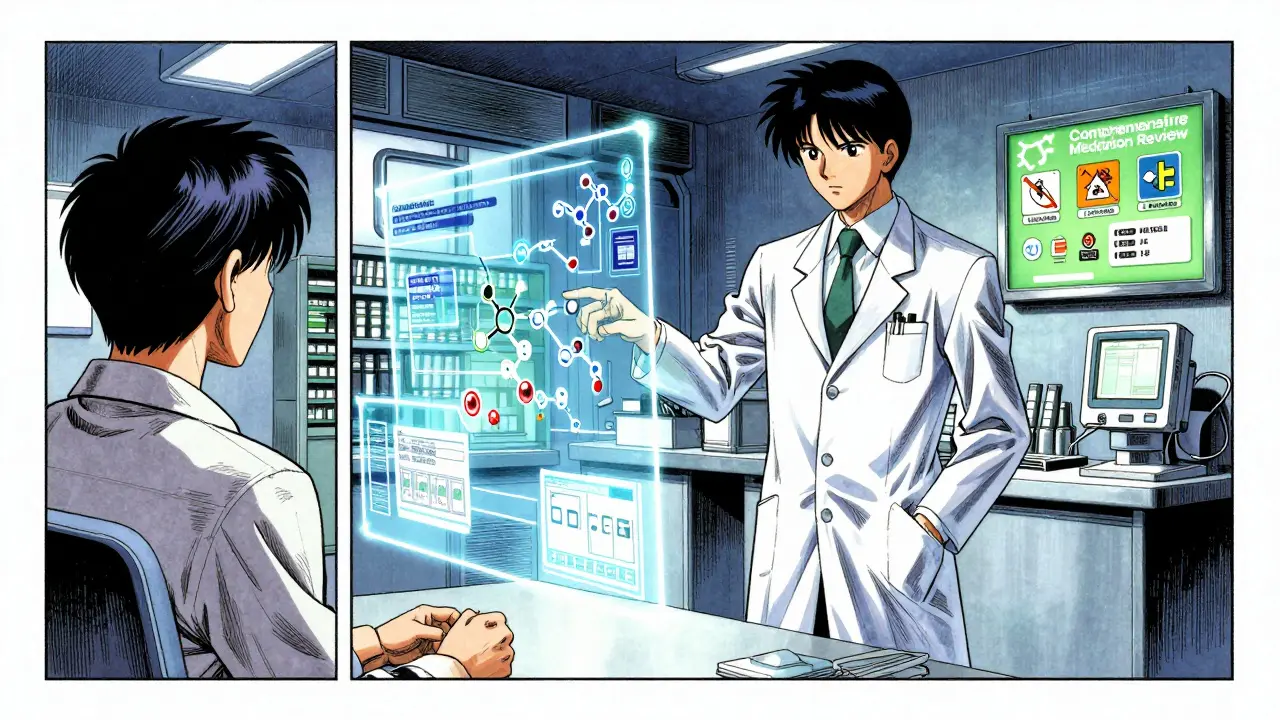
The centerpiece of MTM is the Comprehensive Medication Review (CMR). This is a systematic process where a pharmacist collects your specific information, assesses your therapies, and creates a plan to resolve any issues.
Here is what the process typically looks like step-by-step:
- The Invitation: Your plan contacts you via mail, phone, or online portal to schedule your annual review.
- The Consultation: You meet with a pharmacist either face-to-face or via telehealth. This session usually lasts 15-30 minutes. The pharmacist reviews every medication, including vitamins, herbs, and over-the-counter pain relievers.
- Problem Identification: The pharmacist looks for duplicates, dangerous interactions, adherence issues (like forgetting doses), and unnecessary costs.
- Action Plan Creation: Together, you develop a personalized strategy to address identified problems.
After the CMR, you receive two critical documents:
- Personal Medication Record (PMR): A complete, updated list of all your medications, dosages, and prescribers. Keep this in your wallet or on your fridge.
- To-Do List: Specific action items discussed during the visit, such as “call Dr. Smith to adjust blood pressure med” or “switch to generic brand X.”
Ongoing Support: Targeted Medication Reviews
The annual CMR is just the beginning. MTM programs also include Targeted Medication Reviews (TMRs). These are shorter, focused check-ins performed quarterly or as needed.
TMRs address new problems that arise after your initial review. For example, if you start a new antibiotic that interacts with your blood thinner, a TMR ensures this is caught early. They also monitor previously identified issues to ensure the solutions are working. This continuous loop helps prevent adverse drug events before they happen.
| Feature | Comprehensive Medication Review (CMR) | Targeted Medication Review (TMR) |
|---|---|---|
| Frequency | Annually | Quarterly or as needed |
| Scope | All medications and health goals | Specific new issues or follow-ups |
| Duration | 15-30 minutes | 5-15 minutes |
| Output | PMR and To-Do List | Updated care plan notes |
Benefits Beyond Safety: Cost Savings and Empowerment
Safety is the primary driver, but MTM offers tangible financial benefits too. Pharmacists are trained to identify therapeutic equivalents. Often, a brand-name drug costs significantly more than a generic alternative with the same active ingredient. Switching can lower your copays and reduce overall program costs.
Furthermore, better adherence means fewer hospitalizations. Studies show that patients who engage with MTM services experience improved health quality outcomes. By understanding *why* you take each pill and *how* to take it correctly, you become an active participant in your healthcare rather than a passive recipient. This empowerment reduces anxiety and confusion, which are common barriers to following medical advice.

How to Prepare for Your MTM Appointment
To get the most value from your review, preparation is key. Don’t just rely on memory. Bring the following:
- All Prescription Bottles: Even if you haven’t filled them recently, bring old bottles if you still have them.
- Over-the-Counter Products: Include aspirin, antacids, sleep aids, and allergy meds.
- Supplements: Vitamins, minerals, herbal remedies, and dietary supplements.
- List of Allergies: Specify reactions (e.g., rash vs. anaphylaxis).
- Questions: Write down any concerns, such as “Why do I feel dizzy?” or “Can I take this with food?”
If you cannot attend the appointment yourself, a caregiver or authorized agent can participate on your behalf. Ensure they have full access to your medication history.
Frequently Asked Questions
Is Medication Therapy Management free for Medicare beneficiaries?
Yes. For eligible Medicare Part D beneficiaries, MTM services are provided at no extra cost. The service is included in your plan’s benefits structure as mandated by CMS.
Can my pharmacist change my prescriptions during an MTM review?
No. Pharmacists conducting MTM cannot prescribe or change doses directly. However, they will collaborate with your physicians to recommend changes. They will contact your doctors on your behalf to propose adjustments, switches, or discontinuations based on the review findings.
What if I don’t meet the eligibility criteria for MTM?
Even if you don’t meet the strict federal criteria, many pharmacies and clinics offer paid medication review services. Additionally, some private insurance plans or Medicaid programs (like Tennessee’s TennCare) may offer similar services. Ask your pharmacist or insurer about available options.
How often should I expect to have an MTM review?
You are entitled to one Comprehensive Medication Review (CMR) per year. However, you may receive Targeted Medication Reviews (TMRs) more frequently, typically quarterly, to address new issues or monitor ongoing concerns.
Does MTM cover non-prescription medications?
Yes. A thorough MTM review includes all substances you ingest, including over-the-counter drugs, herbal supplements, and vitamins. These can interact with prescription medications and affect your health outcomes, so they are essential parts of the assessment.
8 Comments
Kevin S May 8 2026
Wow, this is such a great find! 😊 I never knew pharmacists could do all that for us. It feels like we are missing out on so much help just by not asking. My mom takes like ten pills a day and it’s always confusing for her. This sounds like exactly what she needs to feel safer. Thanks for sharing this info! 🌟
Madison Jones May 10 2026
This is incredibly important information!! Many people overlook these services because they assume their doctors handle everything automatically!!! But specialists often don't communicate with each other effectively!!! MTM bridges that critical gap!!! If you have multiple chronic conditions, please take advantage of this free resource!!! It can literally save your life by preventing dangerous interactions!!! Don't wait until there is an emergency!!! Get your review scheduled today!!!
Sarah Grenberg May 11 2026
I was skeptical at first, but after my own experience, I cannot recommend this enough. The pharmacist spent twenty minutes going through every single supplement I took, including the herbal teas I drink daily. They found two minor interactions that were causing me headaches. It wasn't about selling me anything; it was purely about optimizing my health. The Personal Medication Record they gave me is now taped to my fridge. It gives me peace of mind knowing someone is looking at the big picture.
Brian Lee May 13 2026
Good article. I did not know about the cost threshold part. It is good to know it is free if you qualify. I will check with my plan next week. Sometimes the paperwork is confusing but it seems worth it to get the list straightened out.
Jake Williams May 14 2026
Another government program designed to keep tabs on your private data. Who really needs a stranger reviewing your medical history? I pay my premiums so I can buy drugs, not so some bureaucrat can tell me how to live. Keep your opinions to yourself and let me manage my own risks. It's not rocket science.
Nilesh Mandani May 15 2026
The philosophy behind MTM is interesting. It shifts the power dynamic from passive consumption to active participation. In many cultures, we accept prescriptions without question. Here, the system encourages scrutiny. It is a form of healthcare literacy. However, one must wonder if the time invested yields proportional benefits for simpler cases. For complex polypharmacy, it is undoubtedly essential. For others, perhaps less so. But the intent is noble.
Guy Birtwhistle May 16 2026
Look, if you're taking eight meds, you probably need this. But don't treat the pharmacist like a miracle worker. They can't change your dose. They can only suggest it. Your doctor still has to sign off. So stop expecting magic and bring your bottles. That's the deal.
Kenny Pines May 17 2026
Haha, Jake, you sound like someone who forgot to take their meds again 🤣 Seriously though, Guy is right. Bring the bottles. I brought mine once and the pharmacist laughed because I had three different brands of ibuprofen in my bag. Saved me money and saved my stomach lining. Win-win! 💊✨