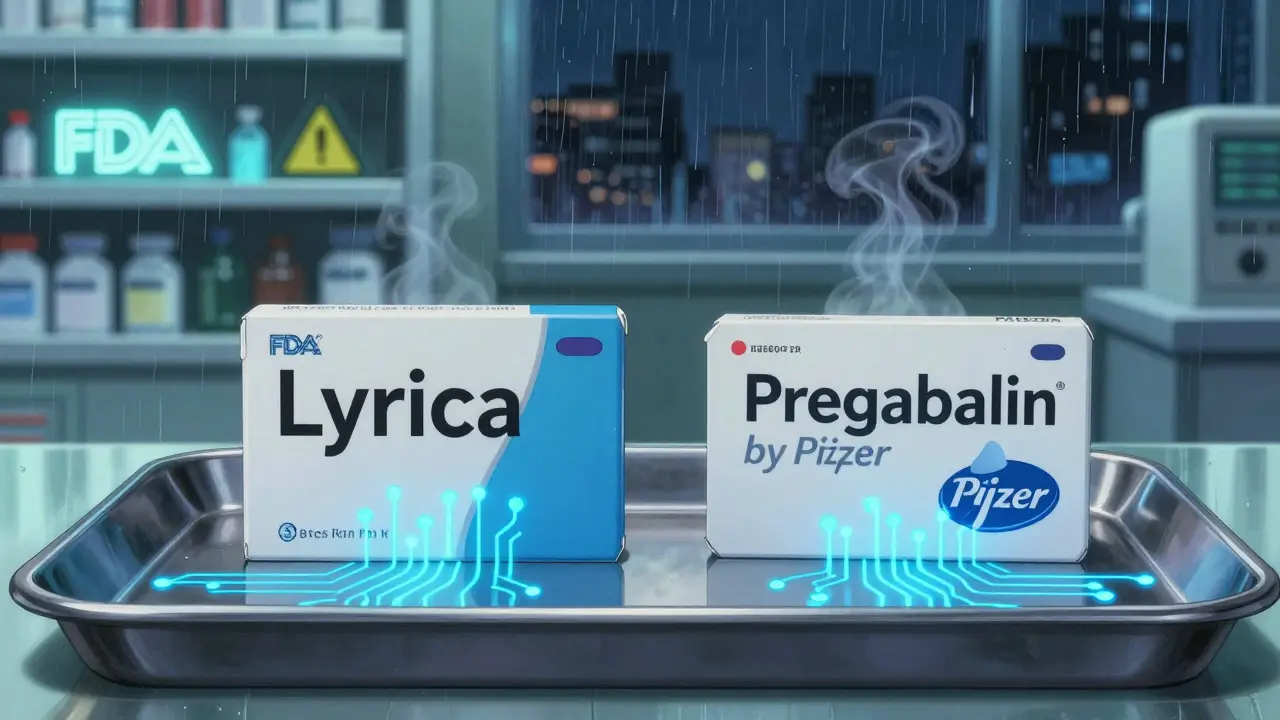
When a brand-name drug loses patent protection, patients often expect a big drop in price. But sometimes, the first generic version you see isn’t a traditional generic at all - it’s an authorized generic. These are the exact same pills, capsules, or injections as the brand-name drug, just sold under a different label. No reformulation. No change in ingredients. Just lower cost - sometimes.
As of October 2025, the FDA lists 1,247 authorized generics on its official database. That’s about 7% of all generic drugs in the Orange Book. But here’s the twist: the number of new authorized generics entering the market has dropped sharply. In 2022, 37 were approved. In 2025, only 12 made it through. Why? Because the game has changed.
What Exactly Is an Authorized Generic?
An authorized generic is not a copycat. It’s the real thing. Made by the same company that makes the brand-name drug, using the same factory, same equipment, same batch. The only difference? The label. Instead of saying "Lyrica," it might say "Pregabalin by Pfizer." The FDA defines it clearly: it’s a drug approved under a New Drug Application (NDA), but sold with different packaging, trade name, or product code.
Think of it like buying a Coca-Cola bottle with a generic label. Same syrup. Same bottle. Just no logo. That’s what authorized generics are. They bypass the usual generic approval process - no ANDA, no bioequivalence studies - because they’re identical from day one.
This matters for patients on narrow therapeutic index drugs like warfarin, levothyroxine, or seizure medications. Even tiny differences in inactive ingredients - fillers, dyes, binders - can cause problems. A 2024 JAMA study found patients switching to authorized generics reported fewer side effects than those switched to traditional generics. Why? Because the formulation didn’t change.
Why Are Authorized Generics So Rare Now?
They used to be common. In the early 2010s, big pharma used them as a tactic to fight off generic competition. Launch an authorized generic the same day the patent expired, and you crush the price drop. Patients get the same drug. The brand company keeps some revenue. Win-win, right?
Not anymore. The Federal Trade Commission cracked down. In 2023, Teva paid $1.2 billion to settle allegations it used authorized generics to delay competition on Copaxone. The FTC called it "pay-for-delay" in disguise. Since then, brand companies have been cautious. They don’t want to be sued.
Also, biosimilars are stealing the spotlight. Instead of making a generic version of a small-molecule drug, companies are now targeting biologics - complex drugs like Humira, Enbrel, and Stelara. In 2025 alone, five interchangeable biosimilars to Stelara (ustekinumab) were approved. These aren’t authorized generics. They’re new products, made by different companies, with different names like Otulfi and Selarsdi. They’re harder to make, but they’re the future.
What Authorized Generics Are Available in 2025?
The FDA’s October 2025 update added just two new authorized generics:
- Xyrem (sodium oxybate) - now available as an authorized generic from Jazz Pharmaceuticals. Used for narcolepsy and cataplexy.
- Trulance (plecanatide) - now sold under a different label by Ironwood Pharmaceuticals. For chronic idiopathic constipation.
That’s it. No new ones for heart meds, diabetes, or antidepressants this year. The last major wave came in 2023-2024 with versions of Ocrevus, Nucala, and Humira. But even those are now aging out.
Some drugs you might think are authorized generics aren’t. Denosumab products like Ospomyv and Bildyos? Those are traditional generics. Ustekinumab versions like Yesintek and Pyzchiva? Those are biosimilars. They have different suffixes, different manufacturers, different regulatory paths. Don’t be fooled by the name.
Why Do Authorized Generics Cost Less - But Not Much Less?
Here’s where things get frustrating. Authorized generics are cheaper than the brand name. But not by much. A 2025 Health Affairs study found they typically cost 10-15% less than the brand. Compare that to traditional generics, which can be 80% cheaper.
Why? Because the brand company still controls the supply. They’re not competing with themselves - they’re just rebranding. And they know patients and doctors trust the original formula. So they don’t need to slash prices to win market share.
Insurance companies know this too. Blue Cross Blue Shield recently stopped covering the authorized generic of Jardiance, even though it’s identical to the brand. Why? Because their pharmacy benefit manager (PBM) got a better rebate on the traditional generic. So patients get stuck paying more for the exact same drug.
Can You Tell an Authorized Generic Apart?
Good luck.
Pharmacists don’t always know. A 2025 survey of over 2,300 pharmacists found 63% couldn’t reliably identify an authorized generic without checking the FDA’s Orange Book. That means you might get switched to one without knowing it.
And manufacturers don’t advertise them as such. You won’t see ads saying "Our authorized generic of X is now available!" They’re sold quietly, through wholesale distributors, often under private labels.
If you’re on a drug like sertraline or pregabalin and you notice your pill looks different - same shape, same color, same imprint - it might be an authorized generic. Ask your pharmacist. Look up the National Drug Code (NDC) on the FDA’s website. If the labeler code matches the brand name’s, it’s likely an authorized generic.
Who Benefits From Authorized Generics?
Patients who need stability. People with autoimmune diseases, epilepsy, or psychiatric conditions where even small changes in formulation can trigger side effects. A Reddit user with depression said switching from brand sertraline to a traditional generic gave them nausea and insomnia. The authorized generic? Zero issues.
Doctors who want to avoid therapeutic substitution problems. A 2025 NEJM article called authorized generics an "underutilized patient safety tool" - especially for drugs where blood levels must stay tight.
But the real winners? The brand companies. They keep control of the supply chain. They avoid the chaos of multiple generic manufacturers. And they still get paid - just a little less.
What’s Next for Authorized Generics?
The trend is clear: they’re fading. The FDA expects less than 5% of new generic approvals to be authorized generics by 2027. Why?
- FTC enforcement is still tightening.
- Biosimilars are easier to market and more profitable.
- The pending RELIEF Act (H.R. 4086) could force authorized generics to match the price of traditional generics - removing their pricing advantage.
That doesn’t mean they’ll disappear. For certain high-risk drugs, they’re still the safest option. But don’t expect them to be the norm. The era of brand companies using authorized generics as a weapon against competition is over.
What Should You Do?
If you’re on a brand-name drug that just went generic:
- Ask your pharmacist: "Is there an authorized generic available?"
- Check the NDC code on your prescription label against the brand’s on the FDA’s Authorized Generics list.
- If you’ve had side effects with traditional generics, ask your doctor to specify "dispense as written" or request the authorized generic.
- Don’t assume lower price means better value. Sometimes the authorized generic is the best deal - even if it’s not the cheapest.
And if you’re switching meds? Don’t panic. But do pay attention. A pill that looks different isn’t necessarily worse. But if you feel off after a switch, it might not be your body - it might be the filler.
15 Comments
Kunal Karakoti December 30 2025
It's wild how we treat medicine like a commodity when it's literally about life and death. The idea that a pill with a different label can be treated as a different product by insurers... it exposes how broken the system is. We don't question if a Coca-Cola with no logo is still Coca-Cola, but we let pharmacies switch your seizure meds without telling you? That's not capitalism. That's negligence wrapped in a business model.
Kelly Gerrard January 1 2026
Authorized generics are a necessary evil. The pharmaceutical industry has turned patient care into a profit algorithm and we’re all just pawns. If you want real change, stop accepting band-aid solutions and demand systemic reform. The FDA needs to mandate price parity between brand and authorized generic. End of story.
Henry Ward January 2 2026
Let me guess-you’re one of those people who thinks the brand name is somehow ‘better’ because it has a logo. Newsflash: the FDA doesn’t care about your brand loyalty. The active ingredient is identical. Your ‘side effects’ are probably psychosomatic. You’re not special. Stop paying extra for placebo branding.
Nadia Spira January 2 2026
It’s a classic case of regulatory capture masquerading as market efficiency. The NDA-to-ANDA arbitrage is a legal loophole that enables monopolistic rent-seeking under the guise of patient safety. The FTC’s crackdown is merely performative-until we dismantle the entire PBM-biased reimbursement architecture, authorized generics will remain a Trojan horse for pharmaceutical oligopoly.
henry mateo January 3 2026
i just switched to the authorized generic for my antidepressant and honestly i feel way better. my doc said it was the same but i was scared. turns out the filler in the cheap generic made me nauseous. the authorized one? no issues. just wanted to say thanks for posting this. i didn’t know how to check the ndc code before.
Glendon Cone January 4 2026
Big thanks for breaking this down. 🙌 I had no idea authorized generics even existed until last month. My pharmacist didn’t mention it when I switched from Lyrica. Now I check the NDC every time. Also, if you're on a narrow TI drug, ask for the authorized version-it’s literally the same pill, just cheaper. No drama. No risk. Just science. 💊
Aayush Khandelwal January 4 2026
Man, this is the kind of stuff that makes you realize how much of healthcare is theater. The brand company doesn’t want to lose money, so they make a ‘new’ version with the same factory, same chemist, same everything-just a different label. And then they charge 15% less like it’s a discount? Bro, that’s not a discount, that’s a tax on your ignorance. The real winners? The middlemen who get rebates on the cheap generics while you’re stuck with the ‘premium’ version of your own medicine.
Sandeep Mishra January 5 2026
For anyone on long-term meds, especially for mental health or epilepsy-this is gold. I’ve been on the same dose of sertraline for 8 years. Switched to a generic once. Felt like I was drowning in fog for two weeks. Went back to brand. Then found out the authorized generic was available. Same pill. Same results. My doctor didn’t even know the difference. We need more awareness. Not every change is bad-but you deserve to know what’s in your hand.
Joseph Corry January 6 2026
How is this even legal? A drug company manufactures a product, then sells it under a different name at a slightly lower price, while simultaneously blocking competitors from entering the market. This isn’t innovation. It’s economic manipulation disguised as patient care. The FDA should classify authorized generics as anticompetitive by design. The fact that they’re still approved is a moral failure.
Colin L January 8 2026
Look, I get it, the system is rigged. But let’s not pretend that authorized generics are some kind of benevolent gift from Big Pharma. They’re a strategic maneuver. The moment a brand loses exclusivity, they flood the market with their own version to preempt the real generics. It’s not about patient safety-it’s about preserving profit margins. And now, with biosimilars rising, they’re just shifting the battlefield. The real tragedy? Patients are the only ones who lose-either by paying more for the same thing or being switched without consent. And no one’s held accountable.
Hayley Ash January 9 2026
Oh wow a whole article about how the same pill costs 15% less? Groundbreaking. Next you’ll tell me water is wet and the sun rises in the east. The fact that people are shocked this is happening proves how out of touch the average person is with how capitalism works. If you want cheap meds, go to India. Or stop complaining about pharma making money. They’re not charities. They’re corporations. Shocking, I know.
kelly tracy January 11 2026
They’re not even trying to hide it anymore. The PBM rebates are a scam. You get switched to a cheaper generic that’s not even the same formulation, and your insurance says ‘it’s covered’-but you pay more because the authorized generic doesn’t give them a kickback. Meanwhile, the brand company laughs all the way to the bank. This isn’t healthcare. It’s a rigged casino. And we’re all the suckers holding the losing tickets.
srishti Jain January 11 2026
Same pill. Different label. Still expensive. Why am I not surprised?
Cheyenne Sims January 12 2026
As an American taxpayer who pays for Medicare and Medicaid subsidies, I find it unacceptable that our healthcare system allows branded manufacturers to monopolize the generic market through regulatory loopholes. This is not free enterprise-it is crony capitalism. The United States must lead in reforming pharmaceutical pricing. Authorized generics are not a solution. They are a symptom of systemic failure.
Shae Chapman January 14 2026
Thank you for this. 🥹 I’ve been on Xyrem for years. When my insurance switched me to the authorized generic, I was terrified. I read the FDA page, checked the NDC, and cried when I saw it was literally the same. I didn’t know I could ask for it. I’m telling everyone I know. This info is life-changing.