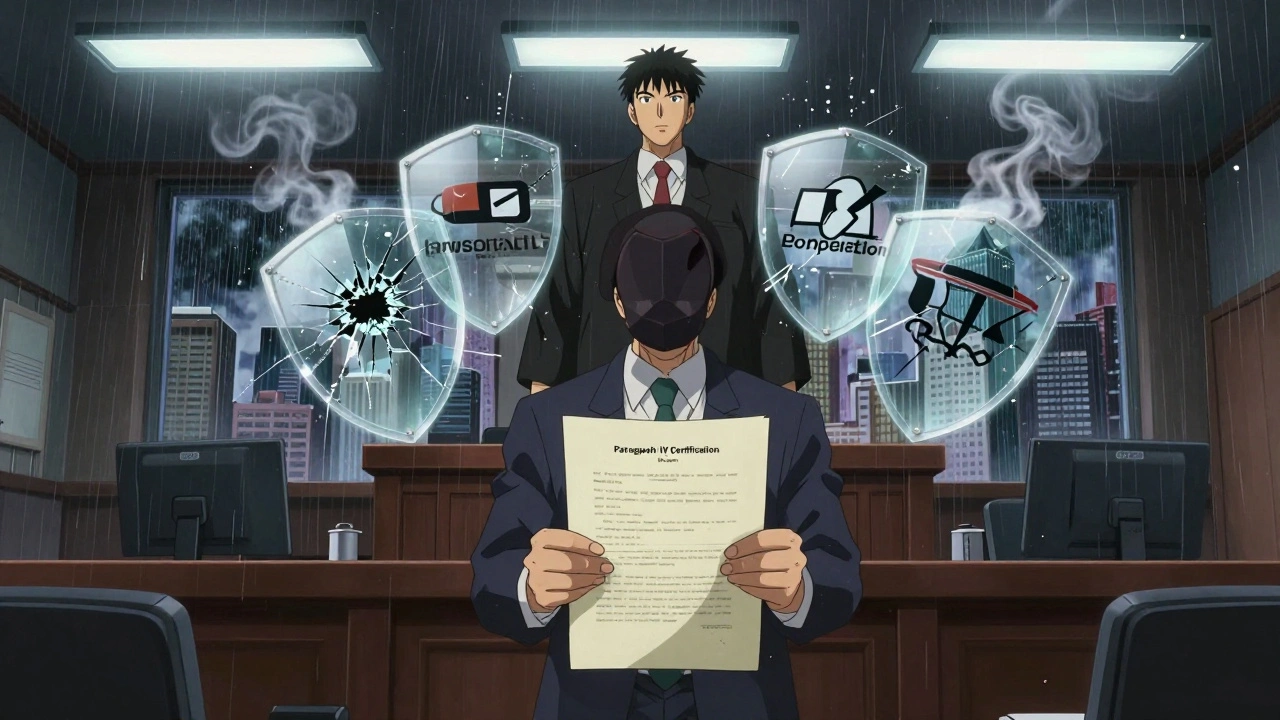
When a brand-name drug’s patent is about to expire, the race to be the first generic company to file for approval isn’t just about speed-it’s worth hundreds of millions, sometimes billions, of dollars. The reason? The first generic filer gets 180 days of exclusive rights to sell the generic version, with no competition. No other company can enter the market during that time. That’s not a loophole. It’s the law. And it was designed to shake up the drug market, not protect it.
How the System Was Built
In 1984, Congress passed the Hatch-Waxman Act to fix a broken system. Brand-name drugmakers had long monopolies-sometimes for decades-thanks to patents. But patients paid high prices because no one else could make the same drug cheaply. At the same time, generic companies couldn’t get approval until the patent expired, even if they had the drug ready to go. That created a huge delay.
The solution? Let generic companies file for approval before the patent ran out. But only if they challenged the patent head-on. That’s where the Paragraph IV certification comes in. It’s a legal notice saying: "This patent is invalid, or we won’t break it." If you’re the first to file that notice with your generic drug application (called an ANDA), you get 180 days of exclusivity. No one else can get approved until those 180 days are up.
This wasn’t a gift. It was a trade. The government said: "If you’re willing to spend millions on lawsuits and risk losing, we’ll give you a head start. That’s how we’ll get cheaper drugs faster."
What Triggers the Clock
The 180-day clock doesn’t start when the FDA approves your drug. It doesn’t even start when you file your application. It starts when one of two things happens: either you start selling the drug, or a court rules that the patent is invalid, unenforceable, or won’t be infringed.
That last part is where things get messy. A court ruling can come months-or even years-before the FDA gives final approval. So technically, the exclusivity period can begin long before the generic drug is even on pharmacy shelves. And once it starts, no other generic can enter. Even if the first filer sits on the approval and doesn’t launch.
That’s the problem. Some companies file the application, win the court case, and then just wait. They don’t sell the drug. They don’t launch. They just sit there, blocking everyone else. The FDA can’t approve anyone else’s application until that 180 days are up-even if it takes two years. This is called a "paper generic." It’s legal, but it defeats the whole point of the law.
Why This Matters to Patients and Prices
Generic drugs make up 90% of all prescriptions in the U.S. But they cost only about 22% of what brand-name drugs do. That’s because competition drives prices down. When one generic enters, prices drop 20-30%. When five enter, they drop 80-90%.
The first filer gets to charge almost brand-name prices for those first 180 days. Studies show they capture 70-80% of the entire generic market during that window. Teva made over $1.2 billion in 180 days selling a generic version of Copaxone. That’s not just profit-it’s a financial windfall.
But if the first filer doesn’t launch? Patients pay more. The brand drug stays on the market longer. Other generics can’t enter. The system, meant to lower prices, ends up protecting them.
How Companies Game the System
There’s a dark side to this exclusivity. Some brand-name companies pay the first generic filer not to launch. It’s called a "reverse payment." The brand company offers the generic maker millions of dollars to delay entry. In return, the generic company sits tight. The brand keeps its monopoly. Patients keep paying high prices.
The Federal Trade Commission estimates this practice costs consumers $3.5 billion a year. In one case, a brand company paid a generic firm $50 million to delay launching for 18 months. That’s cheaper than losing 100% of your market share overnight.
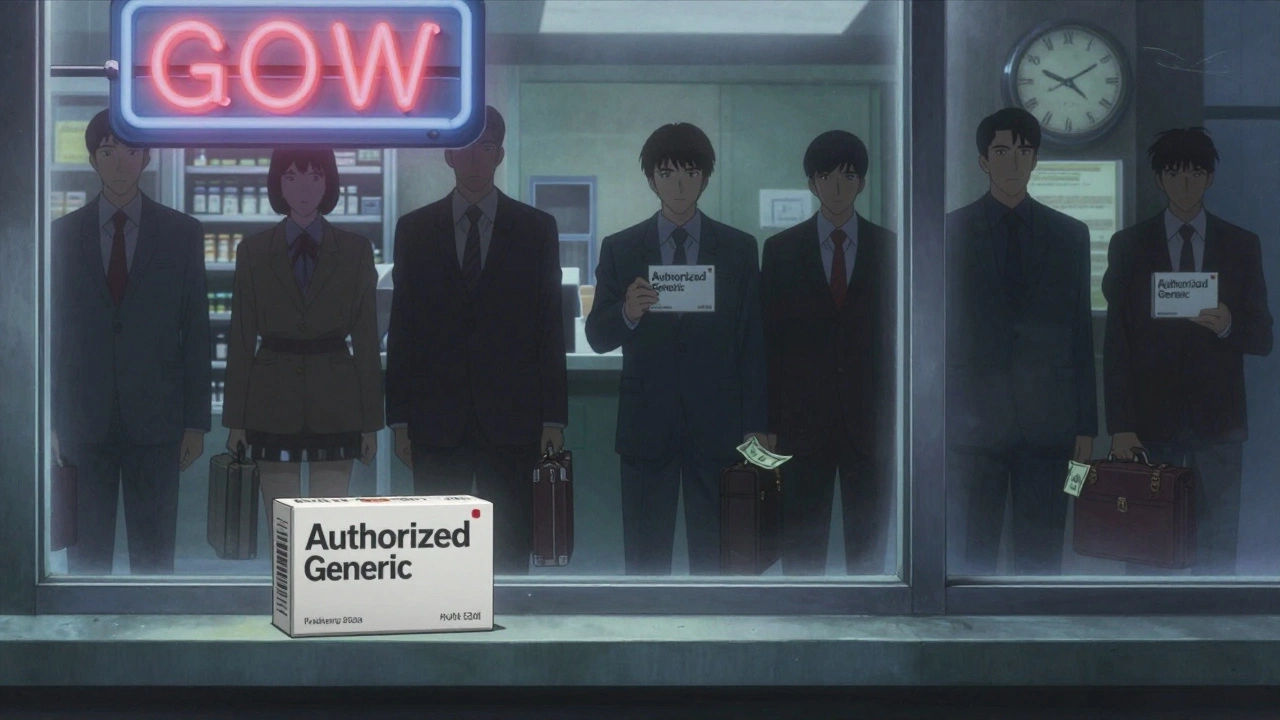
Another trick? The brand company launches its own generic version during the exclusivity window. It’s called an "authorized generic." The same drug, same factory, same packaging-but now it’s sold under a different label. The first filer gets exclusivity, but the brand still keeps most of the profits.
What’s Being Done About It
The FDA knows the system is broken. In 2022, they proposed a fix: the 180-day clock should only start when the first filer actually starts selling the drug. Not when a court rules. Not when they file. Only when they put it on the shelf.
That change would stop paper generics. It would force companies to either launch or lose their exclusivity. If they don’t sell the drug, the clock doesn’t tick. Other generics can move in immediately.
The FDA also created a new program called Competitive Generic Therapy (CGT) exclusivity, which gives 180 days too-but only if you actually launch. No court rulings. No delays. Just market entry. It’s cleaner. Simpler. And it’s already helping drugs with no generics at all.
Who Can Even Play This Game?
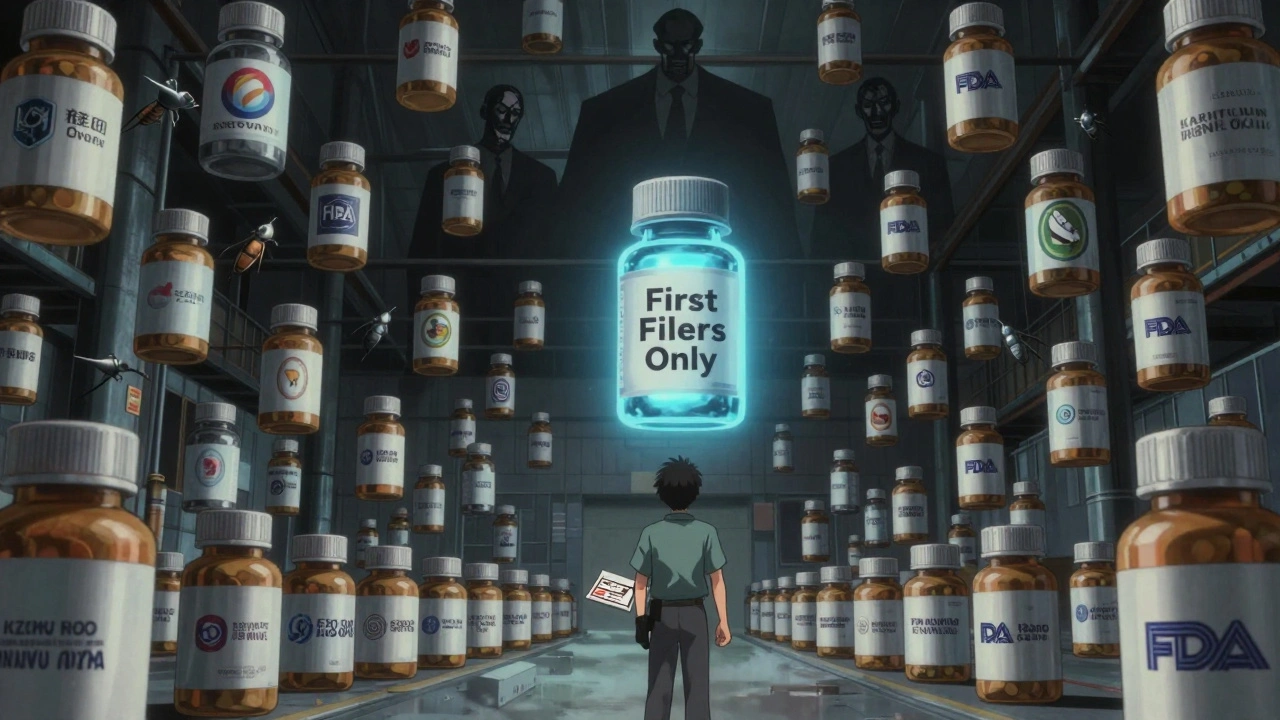
Not every generic company can afford to file a Paragraph IV challenge. It takes $5-10 million just to prepare. You need lawyers who specialize in patent law. You need scientists who can prove bioequivalence. You need regulatory experts who know every FDA rule.
That’s why only a handful of big players dominate. Teva, Mylan (now Viatris), Sandoz, and a few others file 65% of all Paragraph IV applications. Small companies? They don’t have the money or the legal team. They wait for the exclusivity to expire-then try to enter after the dust settles.
And even then, 37% of Paragraph IV applications get rejected by the FDA for technical errors. One missing signature. One wrong form. One typo in the patent number. Poof. You’re out. And someone else gets the 180 days.
The Bigger Picture
The 180-day exclusivity rule was meant to be a tool for competition. It worked-sort of. It brought generics to the market faster than ever before. It saved the U.S. healthcare system over $2.2 trillion in the last decade.
But it also created a new kind of monopoly. One that’s legal, profitable, and sometimes predatory. The companies that win it don’t always deliver lower prices. Sometimes they just delay them.
Reform is coming. But slowly. The FDA wants change. Congress is listening. Patients are paying the price. And the next time you pick up a generic prescription, ask: Who got here first? And why are they still the only one selling it?
15 Comments
john damon December 11 2025
So the first guy to file gets a free pass to jack up prices for half a year? 🤡 That’s not competition, that’s a cartel with a law degree.
Courtney Blake December 13 2025
Tecky made $1.2 BILLION in 180 days? Bro, that’s not generic, that’s corporate theft with a FDA stamp. And you call this healthcare? 😭
Lisa Stringfellow December 14 2025
I mean… it’s kinda sad how the system that was supposed to help people ends up just helping big pharma and the lawyers. No one wins except the ones who already have all the money.
Taylor Dressler December 15 2025
Actually, the 180-day exclusivity was designed to incentivize patent challenges - which are expensive and risky. Without it, no generic company would bother. The problem isn’t the rule, it’s the loopholes: reverse payments and paper generics. Fix those, keep the incentive.
Kristi Pope December 16 2025
It’s wild how something meant to lower prices became a game only the rich can play. But hey - at least we’re talking about it now. Maybe next time someone says ‘free market’ they’ll remember this mess. 💪
Katherine Liu-Bevan December 17 2025
Let’s not forget: without this system, many generics would never have entered the market at all. The 180-day window created a pathway. The abuse? That’s on Congress for not updating it. The law is 40 years old - we need a 2024 rewrite, not just outrage.
Monica Evan December 17 2025
so like… if you file a patent challenge and then just sit there? you’re basically holding the whole market hostage? 😭 that’s not a loophole that’s a crime. and the fda lets this happen??
Jean Claude de La Ronde December 19 2025
So the U.S. government pays Big Pharma to not compete… and calls it ‘market efficiency.’ I’m starting to think capitalism is just a word people use to justify stealing. 🤷♂️
Mia Kingsley December 19 2025
Wait wait wait - you mean the FIRST person to file gets to block EVERYONE else? Even if they don’t even make the drug? That’s not capitalism, that’s a mafia franchise. And the FDA is the godfather.
Paul Dixon December 20 2025
Man, I just filled a prescription for a generic and paid $4. Then I read this and realized someone else could’ve paid $2.50 if the system worked right. Feels gross.
Jimmy Kärnfeldt December 21 2025
This whole thing reminds me of how we treat innovation - we say we want it, then we build walls so only a few can reach it. Maybe the real problem isn’t the law, it’s that we stopped believing in fair competition.
Ariel Nichole December 23 2025
It’s not perfect, but at least it got generics out there. I’d rather have a flawed system that works 80% of the time than no system at all.
matthew dendle December 24 2025
so the fda lets a company sit on a drug for 2 years just because they filed first? bro that’s not a law thats a glitch in the matrix
Aidan Stacey December 24 2025
Imagine being the guy who spent $8 million on lawyers, won the case, and then… just… does nothing. That’s not business. That’s psychological warfare on the American public. And we’re letting it happen. 🥲
Jim Irish December 25 2025
The FDA’s proposed fix is reasonable. Exclusivity should begin at market entry, not court ruling. That aligns intent with outcome. Simple. Effective.