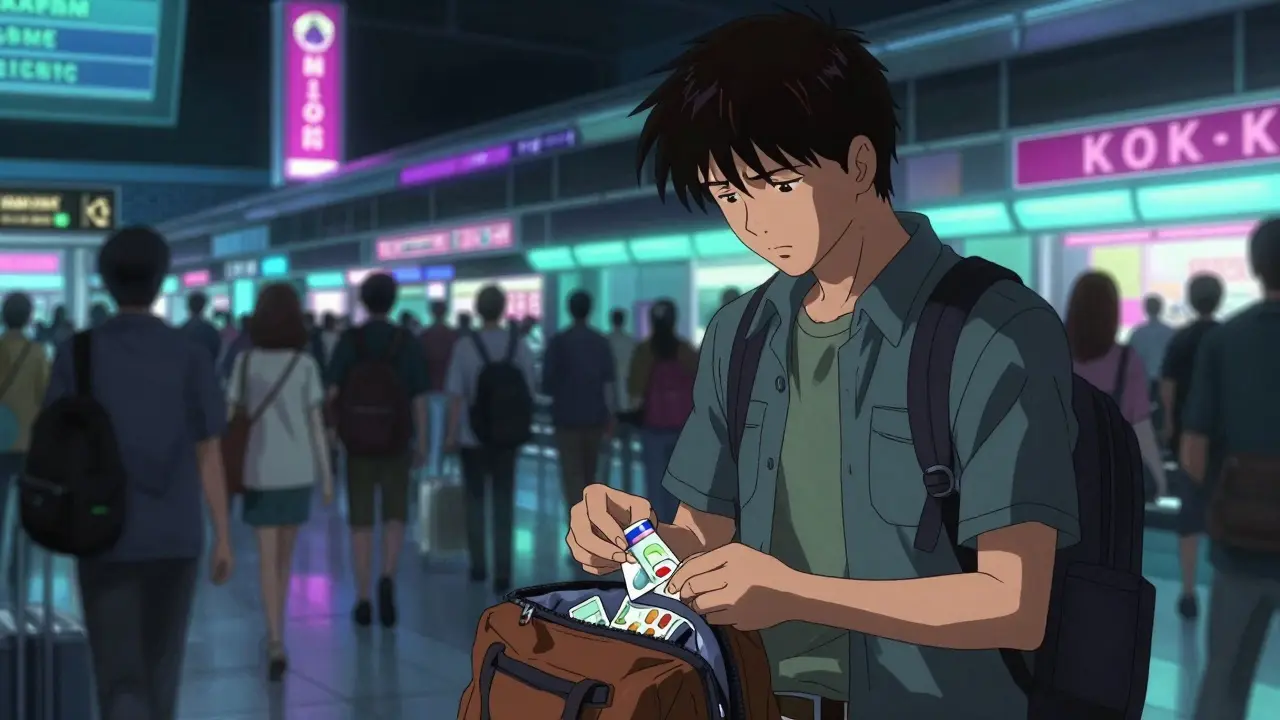
Imagine you are standing in a crowded airport terminal in Bangkok. You reach for your bag to grab your daily heart medication, but it’s gone. Or worse, your hotel room was broken into, and your entire supply of insulin is missing. Panic sets in. You can’t just walk into any pharmacy and buy a replacement because international drug laws are strict, confusing, and vary wildly from country to country. This is a nightmare scenario that thousands of travelers face every year.
Replacing lost or stolen medications while abroad is not as simple as showing an old bottle to a local pharmacist. In fact, trying to do it on your own often leads to dead ends, wasted time, and potentially dangerous counterfeit drugs. The good news is that there is a systematic way to handle this crisis. By leveraging travel insurance, understanding global pharmaceutical regulations, and knowing exactly who to call, you can get back on track quickly and safely.
Immediate Steps When Medication Goes Missing
The moment you realize your medication is missing, your first instinct might be to run to the nearest drugstore. Stop. Do not do this yet. Acting too fast without the right paperwork can actually make things harder. Instead, follow this immediate action plan.
First, confirm what happened. If your luggage was delayed or mishandled by an airline, go directly to the baggage service office at the airport. According to International Air Transport Association (IATA) Resolution 701, airlines require you to file a report within 24 hours for immediate resolution. If your bags were stolen from your hotel or car, you need a police report. This official document is non-negotiable if you want to claim reimbursement from insurance later. Without a police report, most insurers will deny your claim.
Next, assess your inventory. Do you have any backup supplies? The American Pharmacists Association recommends keeping at least a seven-day supply of essential medications in your carry-on luggage, separate from checked bags. Since 1 in 150 checked bags are mishandled annually, this small habit can save you from a major crisis. If you have enough pills to last a few days, use that time to organize your documentation rather than rushing into a risky purchase.
The Power of Travel Insurance Assistance
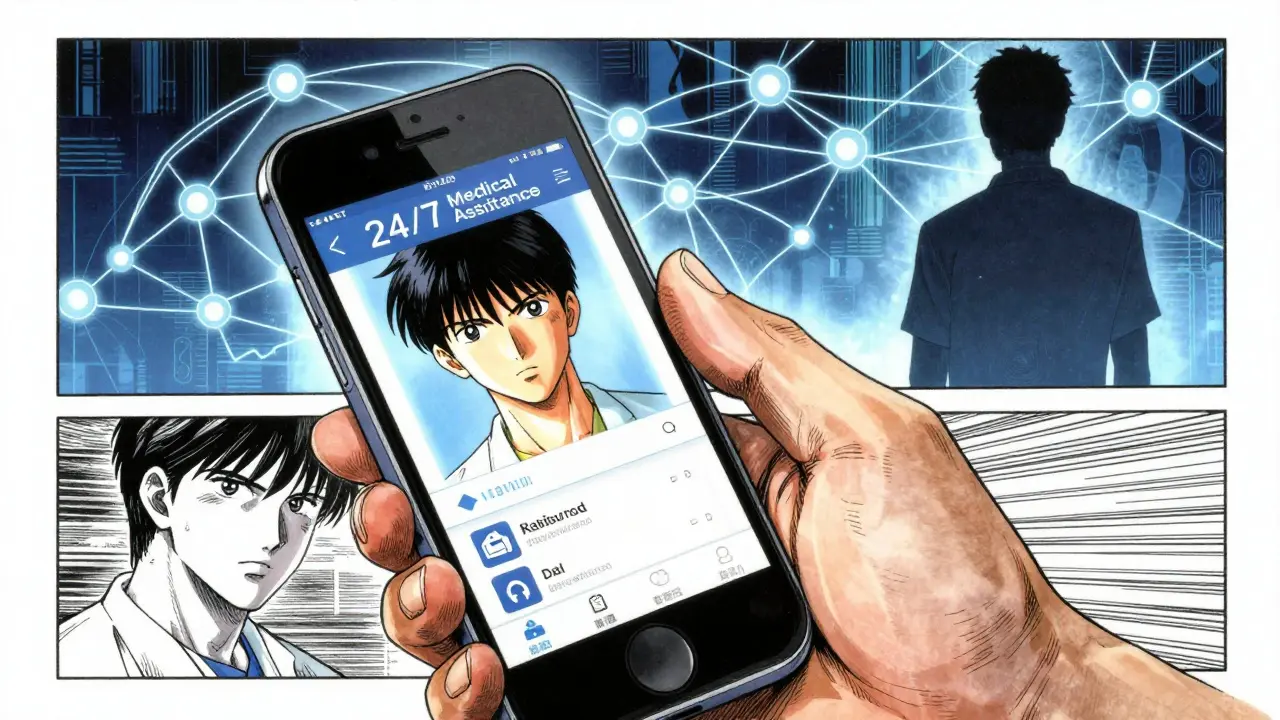
If you purchased comprehensive travel insurance, this is your best lifeline. Many people buy insurance only for flight cancellations, but the real value lies in the 24/7 medical assistance services included in many plans. For example, Allianz Travel Insurance operates in 170 countries and connects travelers with local medical providers who understand the legal landscape.
Here is how it works: You call the assistance hotline provided by your insurer. They don’t just give you advice; they take over the logistics. Their medical team contacts your home physician to verify your prescription, obtains copies of your original records, and arranges either a teleconsultation or an in-person appointment with a local doctor who can legally prescribe the medication in that jurisdiction. According to data from UHC SafeTrip, 78% of travelers successfully obtain necessary medications within 24 hours when using these assistance services, compared to only 42% who try to navigate the process alone.
This service is crucial because 89% of countries prohibit pharmacies from filling prescriptions issued outside their borders. You cannot simply hand a U.S. prescription to a pharmacist in France or Thailand. You need a local doctor to write a new one. The insurance company bridges this gap by facilitating the communication between your home doctor and the local practitioner.
Contacting Your Home Pharmacy and Doctor
If you don’t have travel insurance, or while waiting for them to respond, you should contact the pharmacy that filled your original prescription. Major chain pharmacies like Walgreens, which has over 9,000 locations in the U.S., share internal databases. They may be able to transfer your prescription information electronically to a partner pharmacy abroad, though this is rare and depends heavily on the destination.
More importantly, you need your prescribing physician. However, finding a doctor available for same-day emergency consultations can be difficult. MedAire’s 2022 study found that 37% of U.S. physicians are unavailable for urgent remote calls. That is why having a copy of your prescription and a letter from your doctor before you travel is so critical. The U.S. Department of State explicitly recommends carrying a letter explaining your medical condition and listing all medications by their generic names. This letter acts as proof of medical necessity and speeds up the verification process significantly.
A 2023 study in the Journal of Travel Medicine showed that travelers without proper documentation faced delays 3.7 times longer than those with letters and prescription copies. If you didn’t prepare this beforehand, ask your doctor to email a scanned copy immediately. Even an email confirmation can sometimes suffice for telehealth consultations.
Navigating Controlled Substances Regulations
There is a major hurdle if you take controlled substances such as Adderall, Ritalin, OxyContin, or Vicodin. These fall under Schedule II in the United States, meaning they cannot be refilled. Under federal law, even domestically, you need a brand-new prescription for each fill. Internationally, the restrictions are even tighter.
The Drug Enforcement Administration (DEA) enforces strict guidelines on controlled substances. Most countries will not allow a foreign doctor to prescribe these drugs to a visitor without extensive scrutiny. Telehealth services like MyUSADr, which connect U.S. travelers with U.S.-licensed physicians, generally cannot prescribe controlled substances due to the Ryan Haight Online Pharmacy Consumer Protection Act. You will likely need to see a local specialist in person, undergo evaluation, and hope they agree to prescribe an alternative that is legal in that country. Be prepared for this to take several days and possibly involve significant out-of-pocket costs.
Avoiding Counterfeit Medications
When you are desperate for medication, the temptation to buy from street vendors or unregulated online sources is high. Resist this urge. The Centers for Disease Control and Prevention (CDC) warns that 10-30% of medications in certain regions, particularly Southeast Asia and parts of Africa, may be counterfeit. The World Health Organization estimates that counterfeit drugs cause approximately 500,000 deaths annually worldwide.
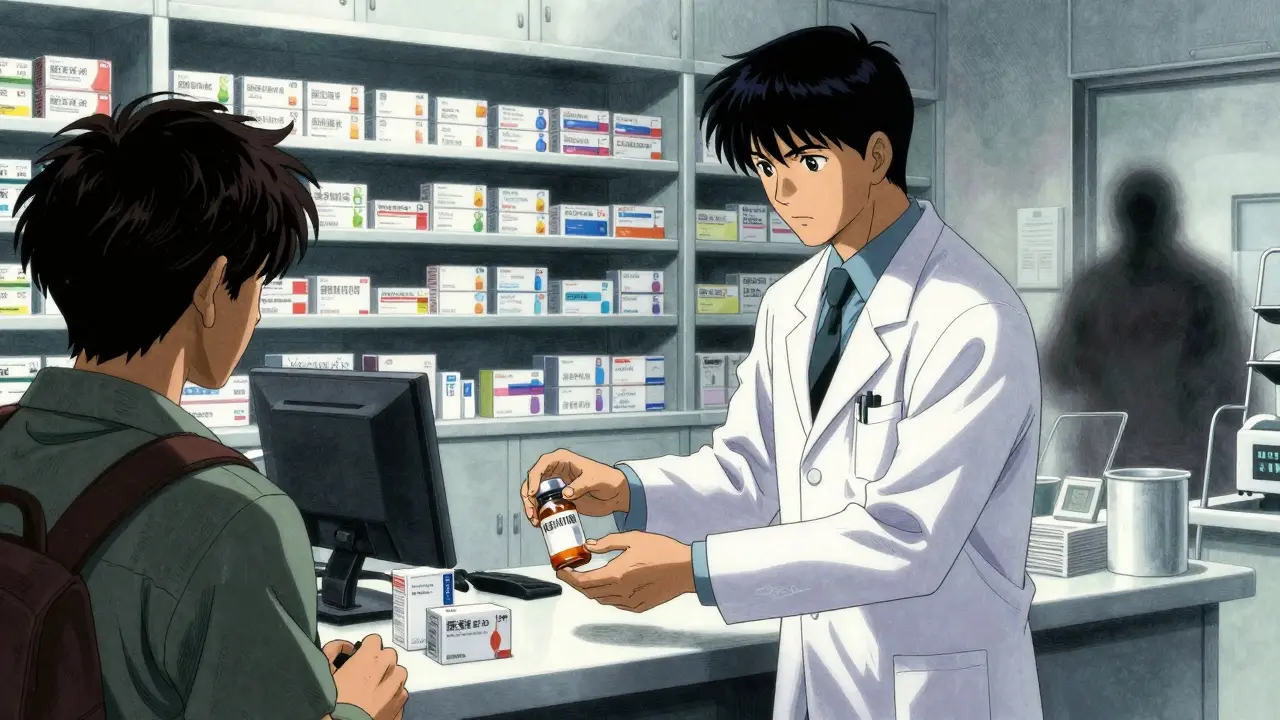
Fake medications may contain incorrect dosages, harmful ingredients like rat poison or industrial chemicals, or no active ingredient at all. Always purchase medication from licensed pharmacies. Look for signs of regulation, such as a pharmacist in white coat, proper storage conditions, and packaging that matches known standards. If the price seems too good to be true, it probably is. Your health is not worth the risk.
Digital Tools and Future Solutions
Technology is slowly making this process easier. Applications like Medisafe now offer digital prescription storage with blockchain verification, ensuring that your medical history is secure and accessible. As of Q3 2023, Medisafe had 5.2 million users. However, adoption varies globally. Only 17% of countries currently accept digital prescriptions as primary documentation, according to the International Pharmaceutical Federation (FIP). So, while you should definitely use these apps as backups, never rely on them exclusively. Always carry physical copies of your prescriptions and doctor’s letters.
Costs and Coverage Considerations
Replacing medication abroad can be expensive. A 2023 Consumer Reports study found average replacement costs ranging from $40-$90 in Southeast Asia, $75-$150 in Western Europe, and $120-$200 in Latin America for common prescriptions. Basic travel insurance plans often exclude prescription replacement entirely. Check your policy details carefully. Comprehensive plans typically cover $500-$1,000 per incident for medication replacement. If you are on long-term medication, consider upgrading your coverage to include this benefit. It is a small premium for massive peace of mind.
Can I use my U.S. prescription at a pharmacy abroad?
Generally, no. Most countries do not recognize foreign prescriptions. You will need to see a local doctor who can issue a new prescription valid in that jurisdiction. Travel insurance assistance services can help coordinate this process.
What should I do if my controlled substance medication is stolen?
File a police report immediately. Contact your travel insurance assistance line. You will likely need to see a local specialist in person, as telehealth cannot prescribe controlled substances. Be prepared for potential delays and the possibility that the specific drug may not be available, requiring an alternative.
Is it safe to buy medication from local pharmacies in developing countries?
Only from licensed, reputable pharmacies. There is a significant risk of counterfeit drugs in some regions. Avoid street vendors or unregulated online sources. Always check packaging and consult with a pharmacist. Your travel insurance provider can often recommend trusted local pharmacies.
Does travel insurance cover the cost of replacing lost medication?
Comprehensive travel insurance plans often include prescription medication replacement coverage, typically with limits of $500-$1,000 per incident. Basic plans usually exclude this benefit. Check your policy details before traveling and ensure you have a police report for stolen items to support your claim.
How much documentation do I need to carry for my medications?
Carry medications in their original containers with pharmacy labels. Bring a letter from your doctor detailing your condition, medication names (generic and brand), dosage, and the prescribing physician's contact info. Keep both physical copies and digital scans accessible.