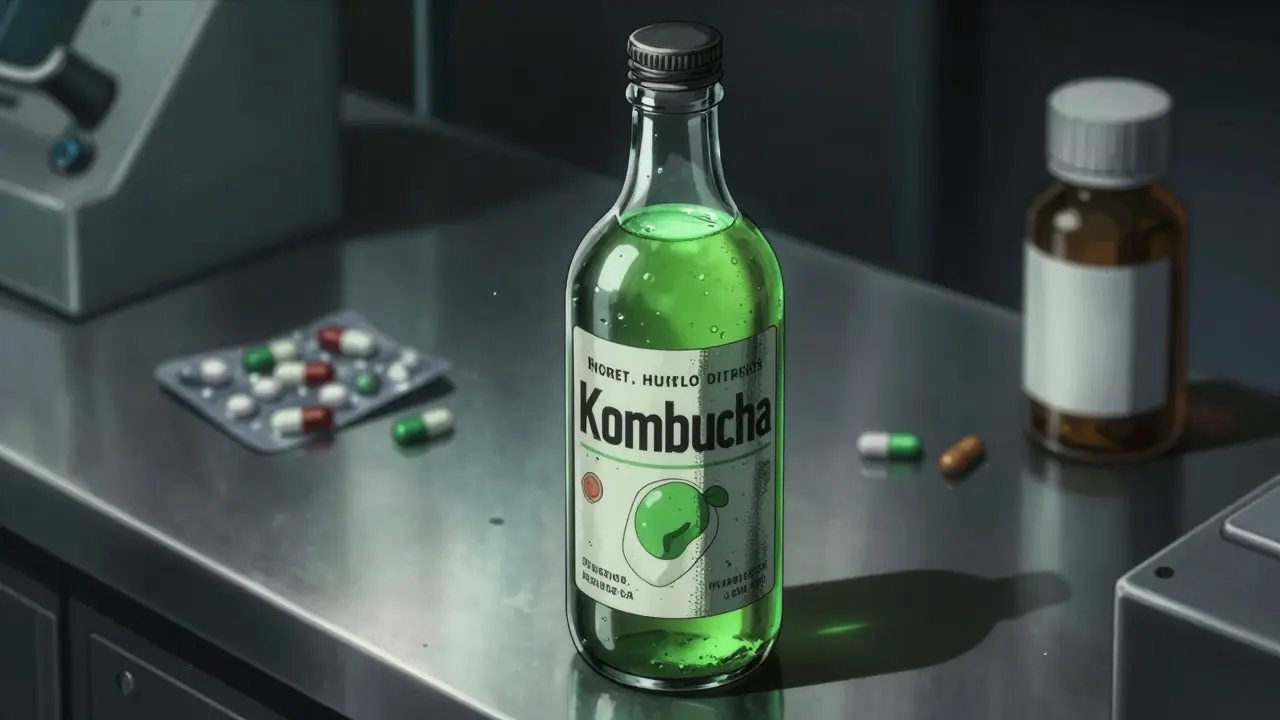
Kombucha Medication Safety Checker
Step 1: Select Your Medication Type
Select the category that best matches your current prescription.
Step 2: Select Kombucha Type
Ready to Check
Select your medication and kombucha type to see if there are potential risks.
That refreshing, slightly fizzy sip of kombucha might be doing more than just quenching your thirst. If you are taking certain medications, that daily brew could be triggering a dangerous interaction. You might think kombucha is safe because it is sold in the grocery store next to sodas, but it contains real alcohol. Even small amounts can clash with drugs like antibiotics, antidepressants, and blood pressure meds. This isn't about getting drunk; it is about how your body processes chemicals when alcohol is present, even in trace amounts.
The risk comes from the fermentation process itself. Kombucha is made by fermenting sweetened tea using a SCOBY (Symbiotic Culture Of Bacteria and Yeast). The yeast eats the sugar and produces alcohol as a natural byproduct. In commercial bottles, this alcohol level is kept low. But if you make it at home, or if you buy "hard" kombucha, the alcohol content can climb significantly. For someone on sensitive medication, that difference between 0.5% and 2.5% alcohol by volume (ABV) can mean the difference between feeling fine and ending up in the emergency room.
How Much Alcohol Is Actually in Kombucha?
To understand the risk, you need to know exactly what is in the bottle. The amount of alcohol varies wildly depending on whether the drink was made in a factory or a kitchen. In the United States, regulations set by the Alcohol and Tobacco Tax and Trade Bureau (TTB) require non-alcoholic beverages to contain less than 0.5% ABV. Most major brands stick strictly to this limit to avoid being classified as alcoholic beverages. They use methods like flash pasteurization or membrane filtration to stop the fermentation before too much alcohol builds up.
However, homemade kombucha tells a different story. A 2023 analysis of 150 homebrew samples found that levels ranged from 0.5% to 2.5% ABV. Why the spike? Home brewers often let the tea ferment longer, keep it warmer, or add extra sugar during a second fermentation stage to increase fizz. All these factors feed the yeast, which produces more alcohol. Then there is "hard kombucha," a popular category from brands like Health-Ade and Brew Dr., which intentionally ferments longer to reach 3-8% ABV. That is comparable to a light beer. If you are treating hard kombucha like a soda while on medication, you are making a serious mistake.
| Kombucha Type | Typical ABV Range | Regulatory Status | Risk Level for Meds |
|---|---|---|---|
| Commercial Standard | < 0.5% | Non-alcoholic (TTB compliant) | Low to Moderate |
| Homemade | 0.5% - 2.5% | Unregulated | Moderate to High |
| Hard Kombucha | 3% - 8% | Alcoholic beverage | High |
Medications That Clash With Trace Alcohol
You do not need to be drinking a pint of beer to have an interaction. Some medications are incredibly sensitive to alcohol, reacting even to the tiny amounts found in standard kombucha. The most famous reaction is the "disulfiram-like reaction." This happens when alcohol blocks the enzyme your body uses to break down acetaldehyde, a toxic byproduct of alcohol metabolism. The result is rapid buildup of toxins, causing severe nausea, vomiting, flushing, and heart palpitations.
This reaction is common with specific antibiotics. Metronidazole (often prescribed for infections) and tinidazole are notorious for this. A 2023 case report documented a patient who experienced violent vomiting after drinking homemade kombucha (1.8% ABV) while on metronidazole. Even commercial kombucha at 0.5% can trigger discomfort in sensitive individuals. Beyond antibiotics, other drug classes pose significant risks:
- CNS Depressants: Benzodiazepines (like Xanax or Valium) and sleep aids work by slowing down your brain. Alcohol does the same thing. Combining them, even in small doses, can lead to dangerous sedation, respiratory depression, or impaired coordination.
- Antidepressants: Certain SSRIs and MAOIs can interact with alcohol, increasing drowsiness or worsening anxiety. Some users report dizziness when combining sertraline with kombucha.
- Diabetes Medications: Drugs like metformin or chlorpropamide help regulate blood sugar. Alcohol can interfere with liver function and glucose production, leading to sudden drops in blood sugar (hypoglycemia). One user reported a 15-point drop requiring an ER visit after mixing kombucha with their diabetes meds.
- Nitrates: Used for chest pain, these drugs lower blood pressure. Alcohol also lowers blood pressure. Together, they can cause a dangerous drop, leading to fainting or falls.
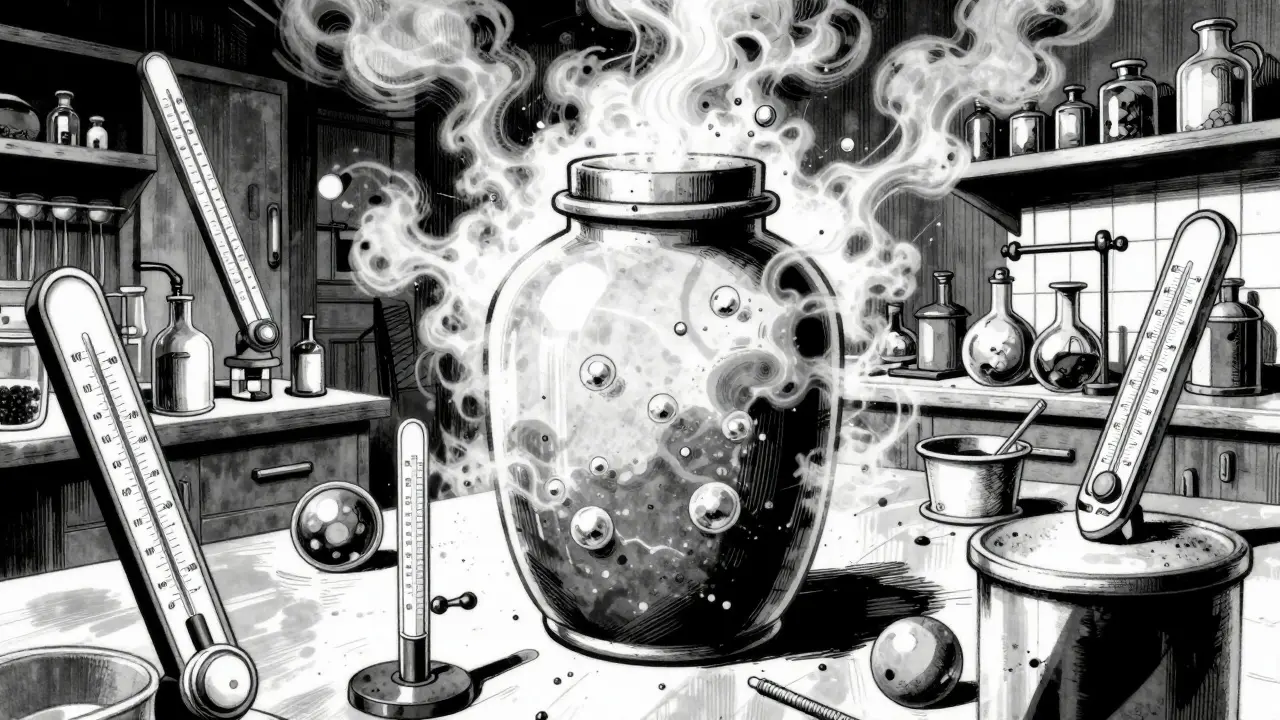
The Hidden Danger of Homemade Brews
If you love brewing your own kombucha, you need to treat your kitchen like a lab. The variability in homebrew is staggering. A study by Fermentaholics showed that homebrewed versions had 300% greater variability in alcohol content compared to commercial products. You cannot taste the alcohol easily because the carbonation and acidity mask it. Without testing, you are guessing.
The good news is that testing is affordable and easy. You can buy a simple alcoholmeter, like the HM Digital HA-520, for under $20. These devices measure density to estimate ABV with an accuracy of ±0.1%. It takes a few batches to get the hang of it, but knowing your exact alcohol level is crucial if you are on medication. Remember, temperature matters too. Yeast works faster in heat. If you leave your jar in a warm spot (above 75°F/24°C), the alcohol will rise quickly. Keeping your brew cooler slows the yeast, keeping alcohol levels lower.

What Do Experts Say?
There is some debate in the health community about how risky trace alcohol really is. Dr. Darya Rose, author of *Kombucha Revolution*, argues that 0.5% ABV is pharmacologically insignificant, comparing it to the alcohol in overripe fruit. While true for healthy people, this view doesn't hold up for those on sensitive meds. Major health organizations take a stricter stance. The American Pharmacists Association lists kombucha as a "hidden alcohol source" that interacts with 17 major medication classes. They warn that daily consumption of 0.5% ABV kombucha adds up-equivalent to nearly two standard drinks per week.
Dr. Andrew Huberman, a Stanford neuroscientist, has warned that even 0.5% ABV can potentiate CNS depressants through synergistic effects on GABA receptors. This means the alcohol makes the medication stronger, not just additive. When lives are on the line, the conservative approach is safer. Assume the alcohol is active until you prove otherwise with your doctor.
Safety Protocols for Medication Users
If you want to keep drinking kombucha while on medication, follow these practical steps to stay safe. First, check your prescription leaflet. Look for warnings about alcohol. If it says "avoid alcohol," assume kombucha counts. Second, talk to your pharmacist. Many pharmacists are now trained to identify kombucha as an alcohol source, though awareness is still growing. Ask them specifically about your meds and trace alcohol.
Third, consider timing. The Cleveland Clinic recommends a 48-hour separation between alcohol-sensitive medications and any alcohol consumption. This allows the drug to clear your system enough to minimize interaction risks. Fourth, choose your brand wisely. Look for labels that say "Contains Trace Alcohol." Since January 2024, FDA regulations mandate this warning on all commercial kombucha. Brands like Health-Ade now offer QR codes on bottles so you can scan and see the exact ABV of that specific batch. Avoid unlabelled local brews if you are unsure of their testing protocols.
Finally, monitor your body. If you feel unusual dizziness, nausea, or extreme tiredness after drinking kombucha, stop immediately. Keep a log of what you drank and when you took your meds. This information is invaluable if you need to explain symptoms to your doctor. Your health is worth more than a trendy drink.
Can I drink kombucha while taking metronidazole?
It is generally advised to avoid kombucha while taking metronidazole. This antibiotic causes a disulfiram-like reaction with alcohol, leading to severe nausea and vomiting. Even the trace alcohol (0.5%) in commercial kombucha can trigger this reaction in sensitive individuals. Wait until you have finished your course of antibiotics and waited 48 hours before resuming kombucha.
Is homemade kombucha safer than store-bought for medication users?
No, homemade kombucha is often riskier. Store-bought kombucha is regulated to stay below 0.5% ABV. Homemade versions can vary widely, often reaching 1.5% to 2.5% ABV due to inconsistent fermentation times and temperatures. Unless you test your brew with an alcoholmeter, you do not know the exact alcohol content, which increases the risk of medication interactions.
Does decaffeinated kombucha have less alcohol?
Decaffeination affects caffeine content, not alcohol. The alcohol in kombucha comes from yeast fermenting sugar, not from caffeine. Whether you use caffeinated or decaf tea, the SCOBY will produce similar amounts of alcohol if the sugar levels and fermentation conditions are the same.
How long should I wait after taking my meds to drink kombucha?
For alcohol-sensitive medications, experts recommend waiting at least 48 hours after your last dose before consuming any alcohol, including kombucha. This window helps ensure the medication has cleared your system sufficiently to reduce the risk of adverse interactions. Always consult your pharmacist for advice specific to your prescription.
What are the signs of a bad reaction between kombucha and medication?
Signs include sudden nausea, vomiting, flushing of the face, rapid heartbeat, difficulty breathing, extreme drowsiness, or dizziness. If you experience these symptoms after drinking kombucha while on medication, stop drinking immediately and seek medical attention if symptoms are severe. Keep track of the product and your medication to share with your healthcare provider.